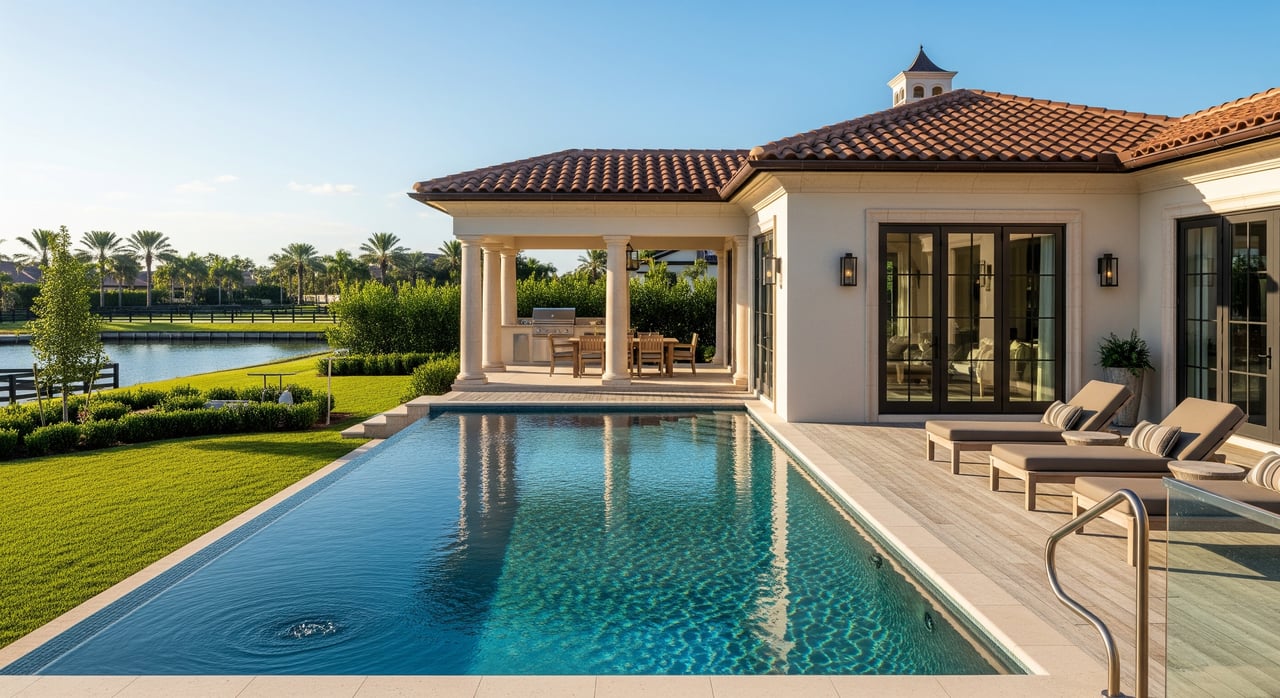
Maximizing WEF Seasonal Rental ROI in Wellington
January 1, 2026
January 1, 2026
Thinking about buying a Wellington property to rent during the Winter Equestrian Festival? You’re not alone. Seasonal demand around the Palm Beach International Equestrian Center creates a unique income window that savvy investors can tap with the right property and plan. In this guide, you’ll learn how the WEF season drives bookings, which features move the needle on price, how to underwrite returns, and when to buy so you are ready to capture the next season. Let’s dive in.
The Winter Equestrian Festival is the premier U.S. winter circuit for show jumping, hosted at the Palm Beach International Equestrian Center in Wellington. It runs for multiple weeks in winter. Exact dates shift each year, so confirm them with the organizers before you model or publish pricing. The Global Dressage Festival often overlaps, adding to total demand.
This concentrated calendar pulls in riders, trainers, owners, grooms, and vendors from across the country and abroad. The result is a reliable, repeated source of seasonal rental demand focused on Wellington, with overflow into nearby Palm Beach, West Palm Beach, Boca Raton, and Delray Beach.
Professional riders and teams often secure housing months in advance. Top properties tend to book 3 to 9 months ahead for core weeks. Some individual weeks can still book closer to arrival, but you should plan your marketing and pricing calendar well before summer ends to capture prime weeks.
The most important pricing factors are consistent each season:
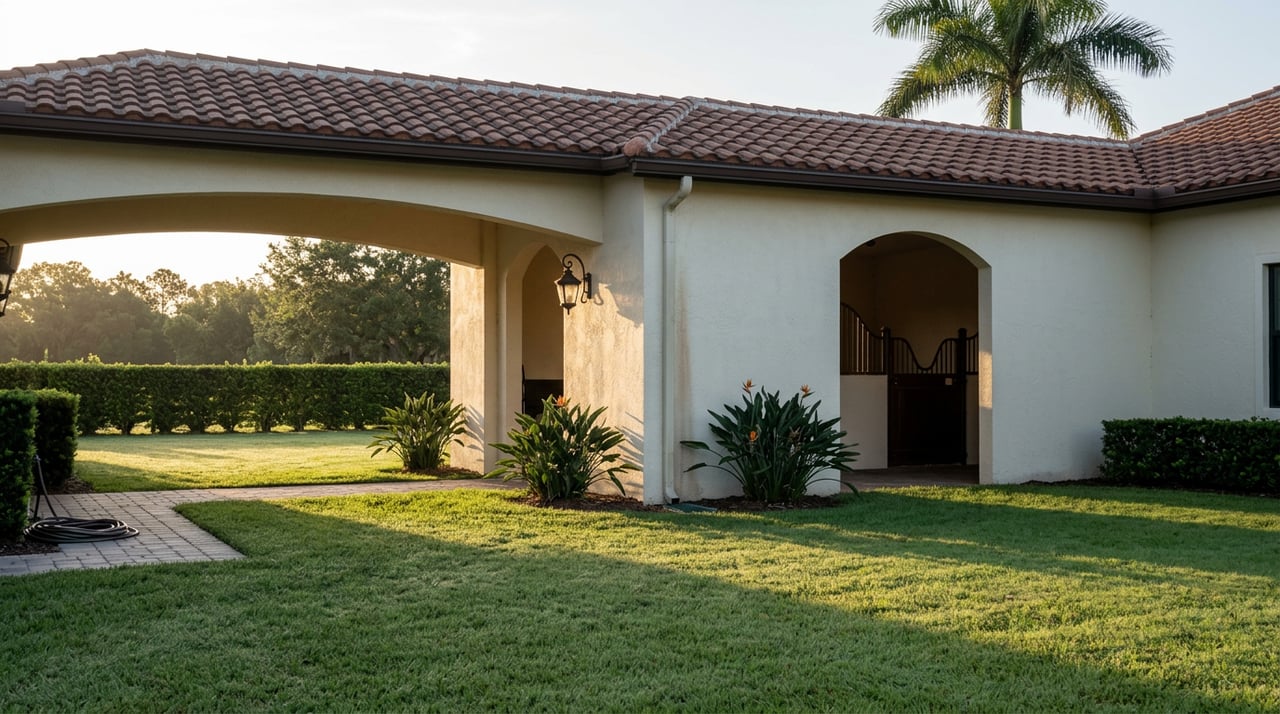
Private estates with barns, multiple stalls, and a usable arena are the top performers. Trainers and owners will pay a premium for quality facilities and safe, legal turnout. These assets also tend to secure longer commitments.
Homes with 3 or more stalls, a tack room, wash area, and feed storage are highly sought by professionals who value on‑property horse care. Practical layouts, mudrooms, and separate laundry make turnover easier and improve guest experience.
Four‑plus bedroom homes with multiple baths appeal to owners, families, and groups when horses are boarded nearby. Pool, chef’s kitchen, and quick showgrounds access help rates and occupancy.
Well‑located townhomes and condos near Wellington Village or PBIEC can be strong, lower‑maintenance options. These homes attract grooms, support staff, and riders seeking cost‑effective seasonal housing. Year‑round occupancy is often easier to maintain with broader marketing.
Seasonal and short‑term rental management typically costs more than long‑term. Expect management fees in the 15 to 30 percent range of rental revenue depending on service level. Turnovers are more frequent during core weeks, which increases cleaning and maintenance costs.
Insurance can be higher when you host riders and horses. Specialized equine liability coverage may be required. You should also verify zoning, HOA rules, and any required permits related to short‑term rentals, animal boarding, and business licensing for Wellington and Palm Beach County before you buy.
Segment your calendar into three periods: core season, shoulder weeks, and off‑season. For each, estimate your rate and occupancy using live comps. Seasonal revenue is the sum of each period’s rate multiplied by available days and expected occupancy.
Separate fixed annual costs from variable seasonal costs.
Model your loan amount, rate, and amortization. Seasonal cash flow rarely aligns neatly with monthly debt service, so plan for reserves. Track the following:
When you build scenarios, start with conservative defaults and adjust as comps warrant.
Keep in mind that Wellington’s equestrian demand can support strong per‑week and per‑month pricing during WEF relative to typical short‑term rentals. Your realized results will vary by proximity, features, week, and competition.
Run best, expected, and worst‑case scenarios so you understand how sensitive returns are to core‑week performance.
The biggest sensitivities are core‑week rates, core‑week occupancy, management fees, and unexpected capital repairs to barns or arenas. Use your break‑even occupancy calculation to set minimum acceptable rates by week.
To be market‑ready for a winter season that runs January through March or early April, target a purchase and scope of work that has you ready by late summer or early fall of the prior year. Listing in September through November positions you for early bookings and marquee weeks.
Wellington is the center of gravity, and proximity to PBIEC is the top driver of price and occupancy. Easy trailer access and quick commutes are non‑negotiable for many renters. High‑end owners and families may also seek Palm Beach or West Palm Beach for lifestyle preferences while commuting to the showgrounds.
If you buy farther afield in Boca Raton or Delray Beach, expect to compete on price, finishes, and amenities. These areas can perform well for overflow or longer‑term stays, but the strongest seasonal premiums tend to cluster closest to Wellington and PBIEC.
You want more than a property. You want the right setup, the right timing, and the confidence that your investment aligns with Wellington’s show‑circuit realities. As a boutique, equestrian‑focused luxury practice with deep Wellington relationships and visible WEF involvement, Martha’s Properties combines technical barn knowledge with discreet, concierge brokerage. We help you source on and off‑market options, evaluate equestrian functionality, and position your investment to capture the season.
If you are considering an acquisition or preparing a property for the next WEF season, let’s talk strategy, comps, and timing. Request Private Listing Access & Consultation with Martha W. Jolicoeur PA.
Stay up to date on the latest real estate trends.


Whether working with buyers or sellers, Martha provides outstanding professionalism into making her client’s real estate dreams a reality. Contact her today for a free consultation for buying, selling, renting, or investing in Florida.
Get in Touch With Martha Team to Learn More

MARTHA W. JOLICOEUR PA
✉ EMAIL:
✆ TELEPHONE NUMBER:
⚲ ADDRESS: 13501 SOUTH SHORE BLVD STE 102 WELLINGTON FL 33414