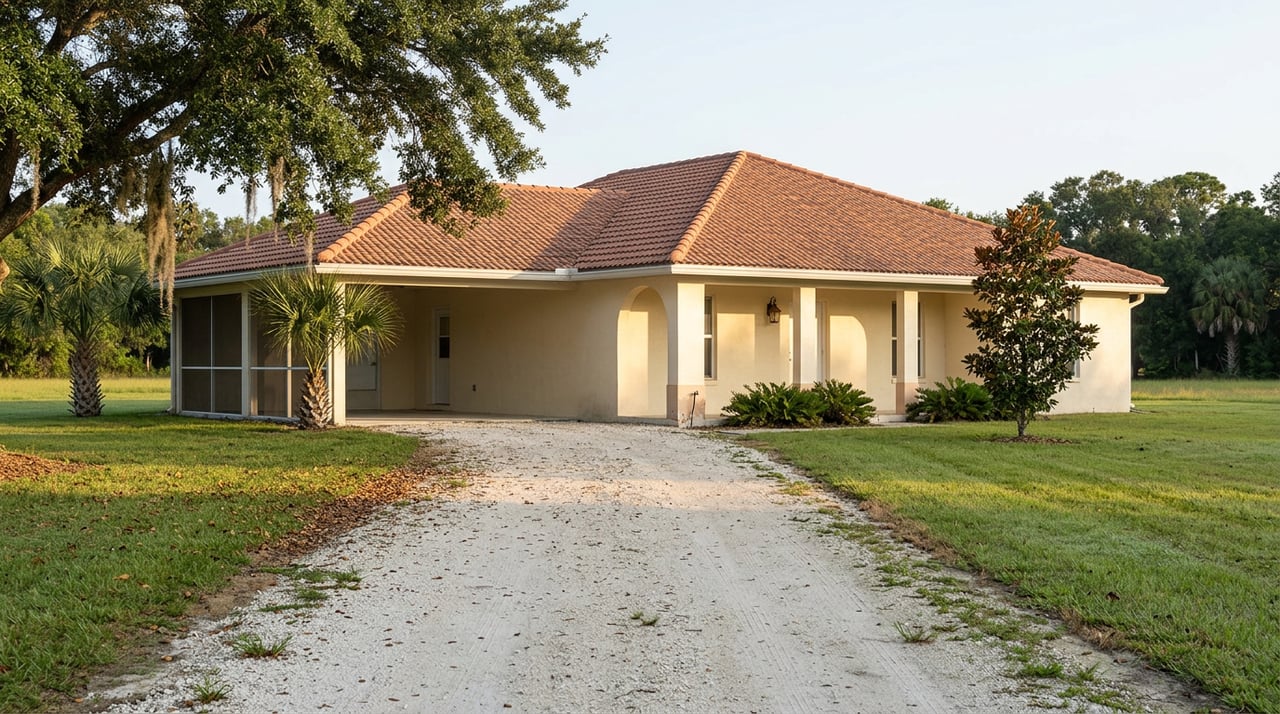
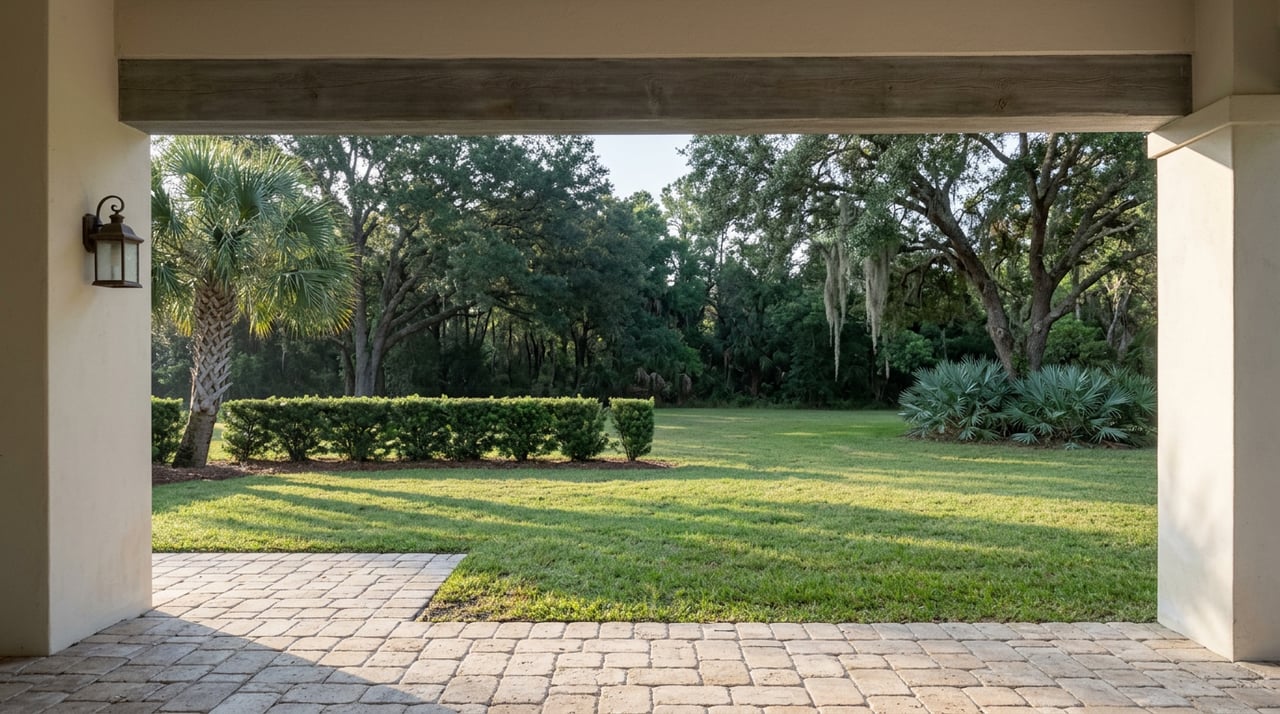
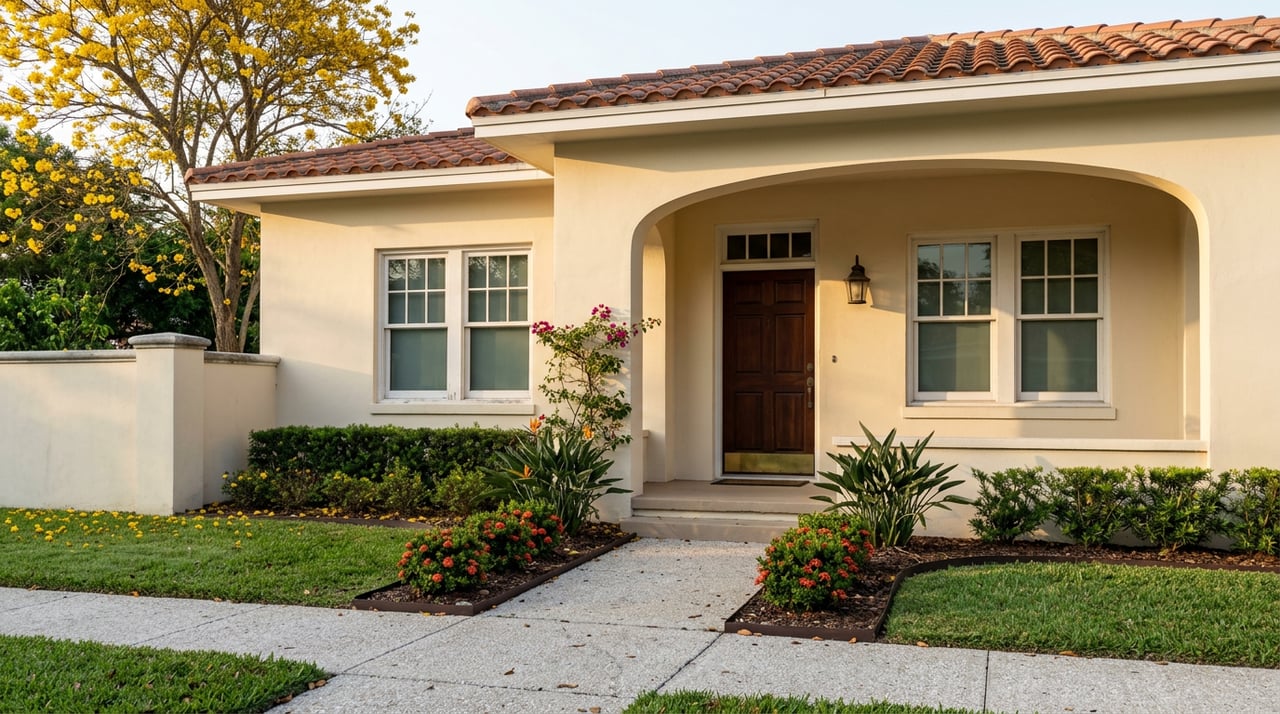
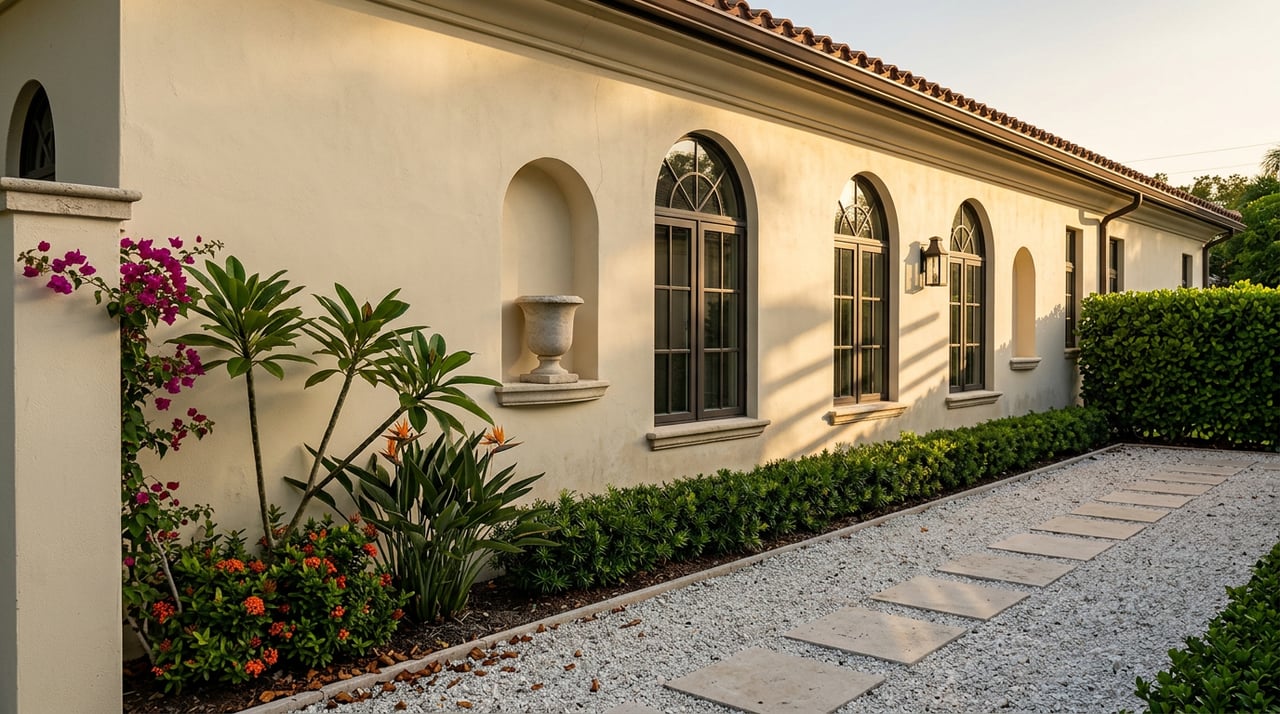
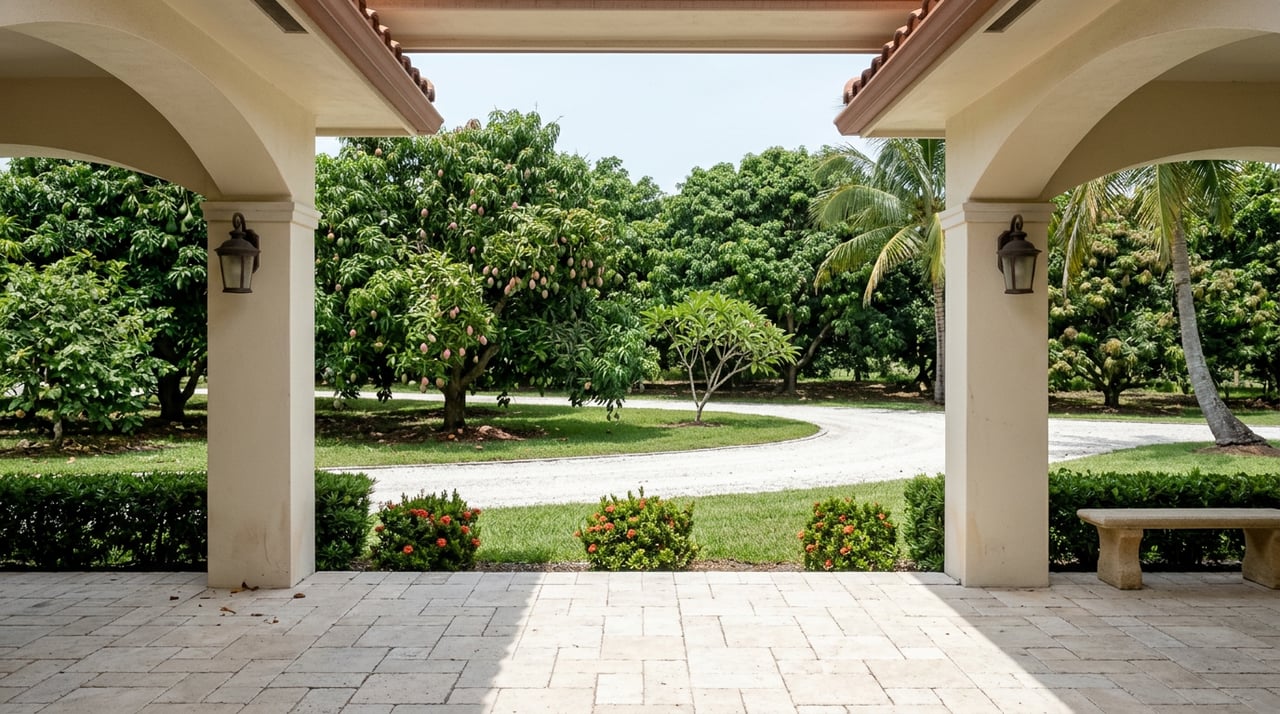
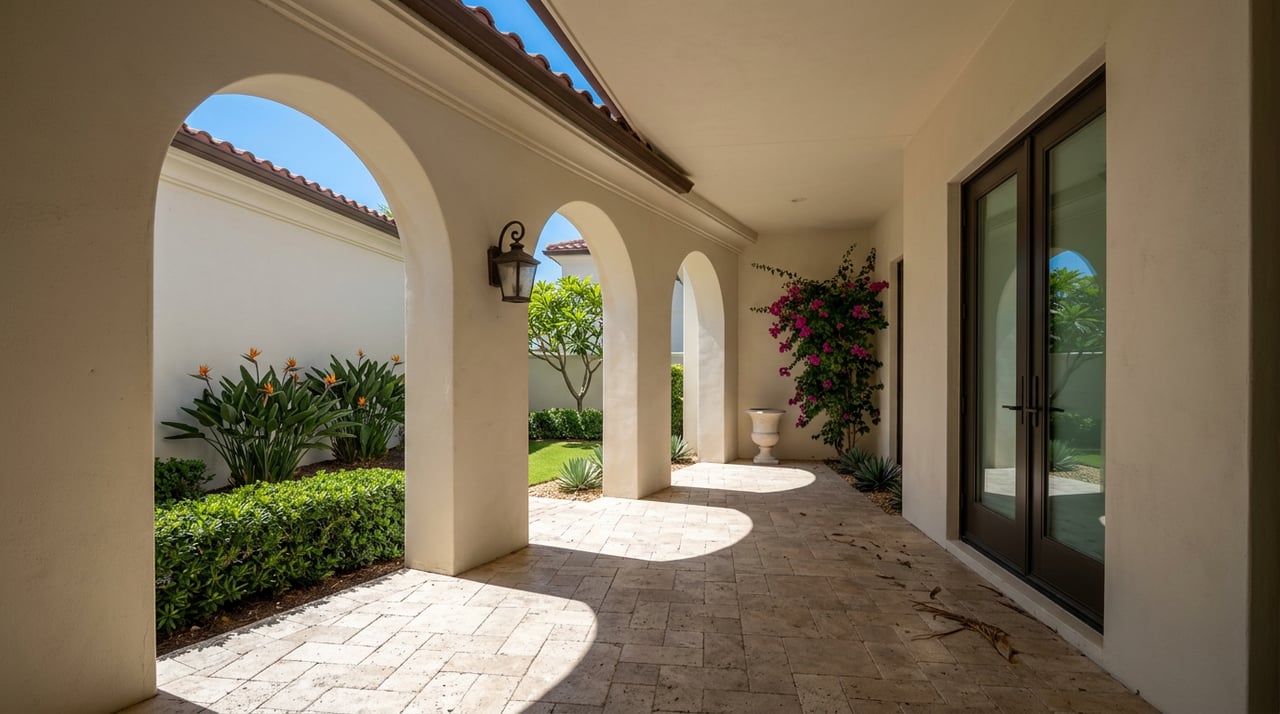
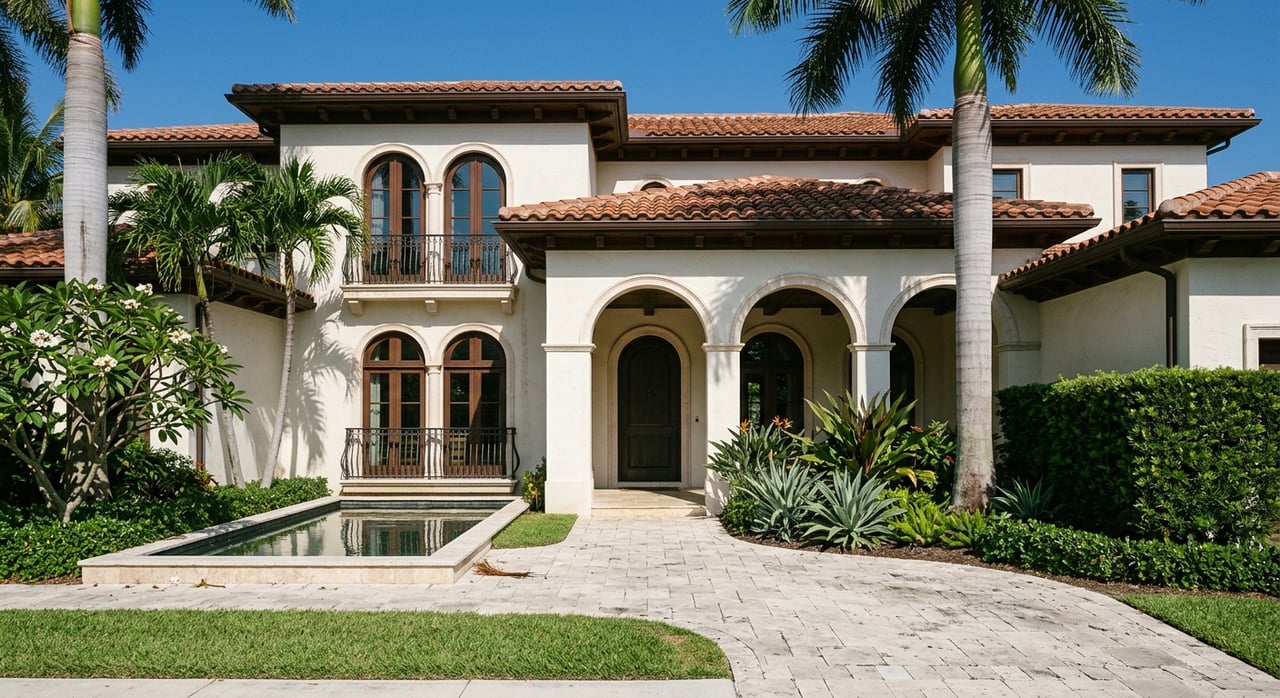
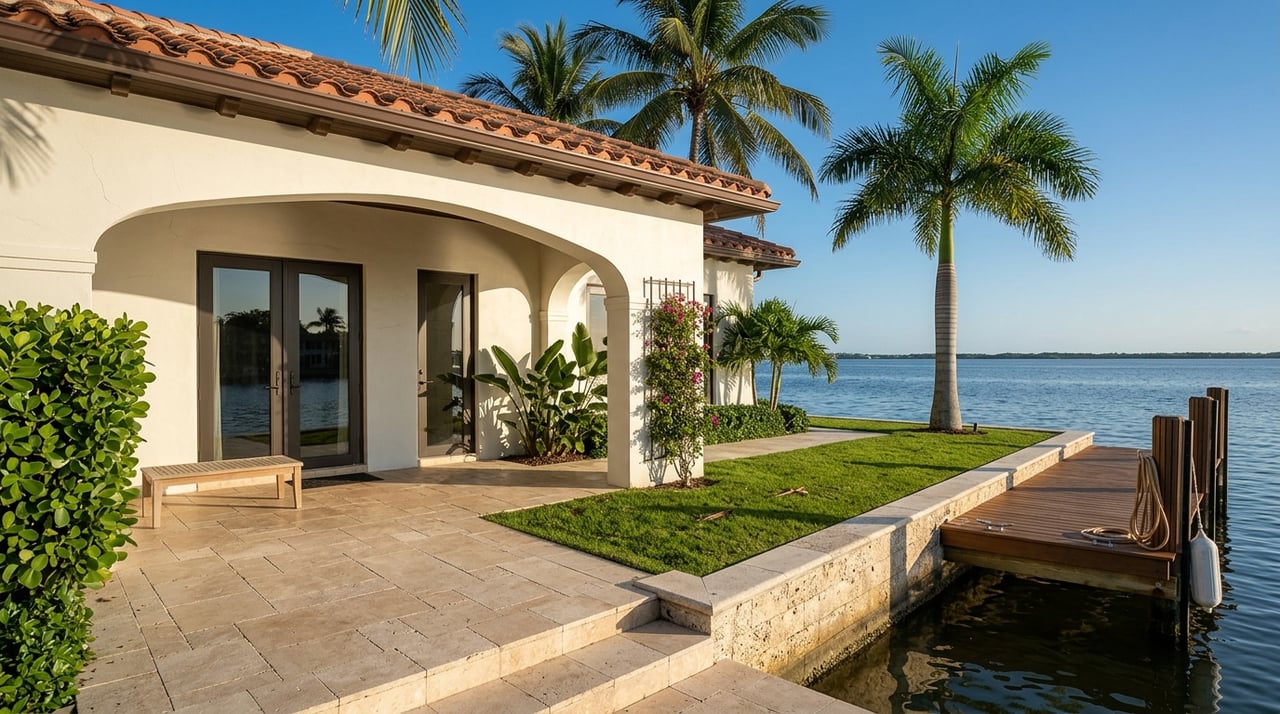
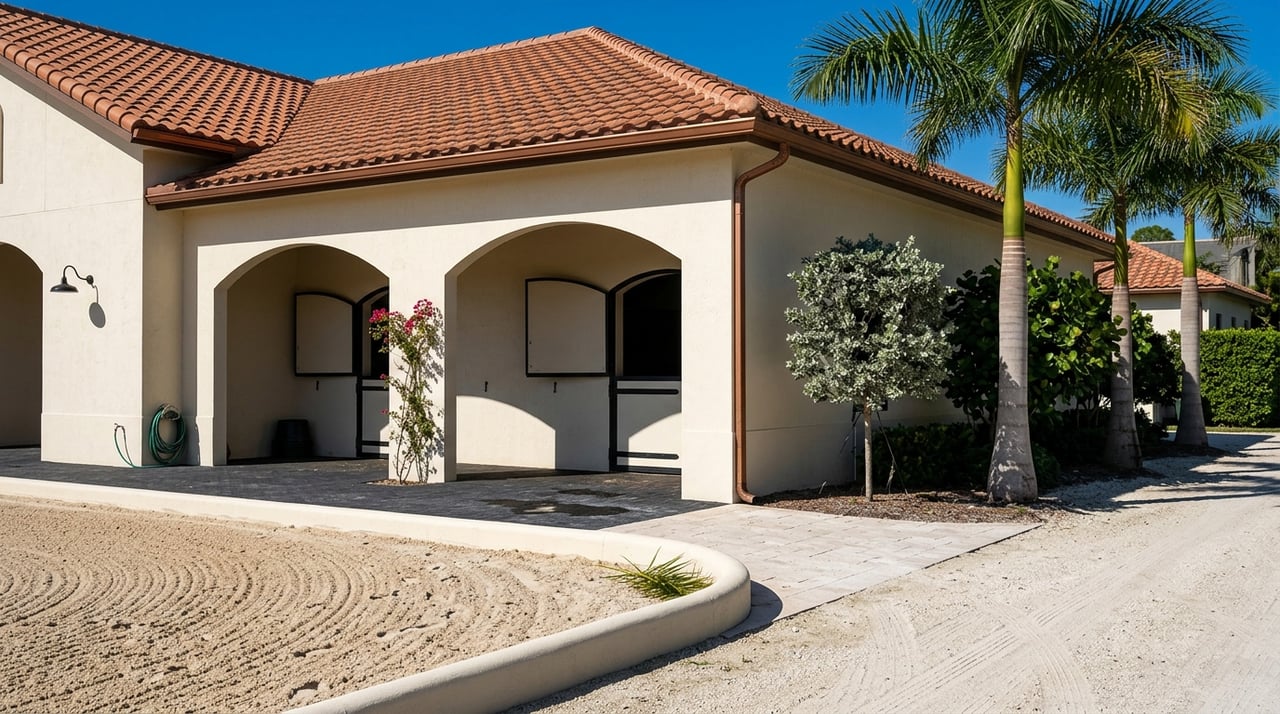
Picture this: you arrive in Wellington for WEF and step into a furnished home minutes from PBIEC, your stalls are set, and your trailer parking is confirmed. No scrambling, no bidding wars, no guesswork. That is the power of private, off‑market access for WEF‑season rentals. You want a setup that works for your routine, your horses, and your family. In this guide, you will learn how private access works, what to prepare, and when to act so you can secure the right property with confidence. Let’s dive in.
Why private access matters for WEF rentals
Demand peaks during the Winter Equestrian Festival and nearby polo events. Competition is fiercest for properties within walking distance or a short drive to PBIEC, and many of the best options never hit public portals. Established riders and trainers often secure housing and barn space through long‑standing relationships and broker networks.
Private access gets you early notice, less public competition, and a real conversation with owners who understand equestrian needs. You can move faster and negotiate details that matter, such as stall counts, hay storage, trailer logistics, and arrival timing. The tradeoff is that private markets have less visible pricing and fewer comparables, so you need a clear process and written agreements.
What counts as private or off‑market
Private or off‑market listings are not posted on major portals or the MLS. They circulate through broker lists, owner referrals, and property managers’ internal rosters. Trainers often share upcoming availabilities by word of mouth. With the right representation and documentation, you can access these opportunities before they open to the public.
Benefits include first‑look opportunities, quicker deal flow, and owners who already expect equestrian use. Limitations include reduced transparency and the need for careful due diligence. Insist on a written lease, clear refund and holding deposit policies, and proof that the property is permitted for the way you intend to use it.
The right property types near PBIEC
When you plan your season, focus on the setup that aligns with your program:
- Furnished seasonal homes: Ideal for families and support teams. Prioritize proximity to PBIEC, trailer or vehicle parking, pet policies, and turnkey furniture.
- Estate or show barn with residence: Private barns with stalls, tack rooms, wash stalls, hay storage, and turnout. Quality varies. Inspect stall size, ventilation, footing, fencing, drainage, and fire safety.
- Carriage houses or barn apartments: Compact living quarters on equestrian properties. Availability is limited and best suited for small teams or individuals.
- Gated community homes with equestrian access: Some allow trailer parking and offer community amenities, subject to HOA rules. Confirm equestrian allowances and any limits on business use.
- Long‑term rentals with seasonal occupancy: Some owners prefer longer leases with negotiated WEF use. Make sure lease language addresses subleasing, guests, and horse‑related terms.
- Offsite lodging plus private boarding: Rent a nearby home or condo and board horses at a private barn or at PBIEC stabling. Coordinate stall reservations, trailer parking, and barn rules early.
Key amenities to prioritize include stall count and size, turnout quality, water supply, hay storage, fire safety, trailer access, commute time during show days, reliable utilities and maintenance, and strong internet connectivity.
Location and commute considerations
Your daily schedule depends on proximity to PBIEC:
- Walking distance: Scarce and premium. These are reserved early and priced accordingly.
- Short drive, 1–10 minutes: A popular balance of convenience and variety. Many equestrian properties and communities fall in this range.
- 10–30 minutes: More options, but plan for show‑day traffic and class times.
Wherever you look, account for access to PBIEC entries, morning and evening traffic patterns, and proximity to feed stores, tack shops, veterinary hospitals, and farrier services. If an HOA is involved, review covenants for animal limits, trailer storage, signage, and any rules around lessons or training activity on site.
Documents and insurance owners expect
Be ready to present a complete file. Owners prioritize prepared tenants who can perform quickly.
- Personal and household documents: Government photo ID, proof of funds for the season, plus rental history and references. Expect a seasonal lease detailing dates, deposits, cancellation policy, and permitted uses.
- Equine documents: Negative Coggins and any required health certificates per event rules. If boarding offsite, have written boarding agreements. Stall reservations at PBIEC are separate from housing, so book those directly with show management.
- Insurance: Renters insurance is often required. For trainers or business use on the property, owners may request equine liability or commercial farm liability. Confirm the property is permitted for equine activities and obtain any relevant owner or HOA restrictions that affect liability.
Clarify who handles utilities, barn and yard maintenance, manure removal, repairs, and any temporary improvements. Also clarify noise policies, guest limits, and rights to terminate if show schedules change.
A realistic WEF rental timeline
Starting early gives you the best inventory and terms. Use this milestone plan:
- 9–12+ months before the season: Begin outreach to equestrian brokers and property managers. Register for private listing alerts and share your criteria.
- 6–9 months before: Tour properties in person or virtually. Submit your documentation and references to move onto priority lists.
- 3–4 months before: Finalize the lease, wire holding and security deposits, reserve PBIEC stalls and parking, line up insurance, and set up utilities.
- 2–4 weeks before arrival: Do a final walkthrough, confirm trailer parking instructions and arrival logistics, confirm barn access and keys, and note local vet and farrier contacts.
- Day of arrival: Carry copies of your lease, payment receipts, horse paperwork, and contact info for the landlord, barn manager, and PBIEC stabling.
Last‑minute options do appear, often due to cancellations, but expect limited choices and premium pricing. Private networks still surface opportunities, so stay ready with documentation.
Due diligence checklist for barns and homes
Use a practical inspection mindset:
- Barn and turnout: Stall size and condition, footing and drainage, manure management, fencing type and maintenance.
- Safety: Hay storage away from ignition sources, solid electrical systems, smoke detectors, and clear access for emergency vehicles.
- Water and feed logistics: Hydrant placement, troughs, feed storage, and pest control.
- Trailer access: Turning radius, overnight parking permissions, and circulation for large rigs.
- Staffing and services: Whether a barn manager is included, and what daily services are provided versus self‑care.
- Commute and services: Traffic patterns, and access to tack shops, feed suppliers, veterinary hospitals, and shoeing services.
- Written inclusions: Get a signed list of included items, such as equipment or tack room contents, and record condition.
Protect yourself: contracts, rules, red flags
Put everything in writing. Confirm exact dates, arrival and departure flexibility, deposit amounts and refund policies, and who pays for what. Verify zoning and HOA rules for equestrian use and any commercial activity. Request proof of the owner’s permissions that align with your planned use.
Watch for red flags: requests for large deposits without a written contract or escrow, vague property descriptions without photos or video walkthroughs, or pressure to pay before inspection. If something feels unclear, pause and document the open items before proceeding.
Request private listing access and consultation
When you are ready, share a complete profile to unlock serious options faster. Use the checklist below to streamline the process and qualify for first‑look opportunities.
Provide:
- Contact details: Full name, email, phone, best times to contact.
- Desired season dates: Arrival and departure, plus any flexibility windows.
- Tenant profile: Rider, trainer, or family; number of adults and children.
- Horses and barn needs: Number of horses, required stall count and type, turnout needs, wash stall, tack room size, hay storage, special requirements.
- Trainer details: Name, expected number of clients, and whether lessons or business will be conducted on site.
- Vehicle and trailer needs: Number and size of trailers, overnight parking, and turning radius considerations.
- Accommodation preferences: Bedrooms, bathrooms, furnished or unfurnished, fenced yard, pool, air conditioning needs.
- Budget range: Monthly seasonal or total season budget.
- References: Prior landlord or trainer references, with permission to contact.
- Documentation readiness: Which documents you can provide now, such as ID, proof of funds, Coggins, or health certificate.
- Viewing preference: In‑person or virtual tours, with preferred time windows.
- Urgency level: Actively looking and ready to sign, or planning ahead.
- Additional notes: Any special requests.
- Permission box: Consent to be contacted and to share your profile with owners or brokers for private access.
Submitting a thorough package signals credibility to owners and places you at the top of notification tiers. It also shortens time from first look to signed lease.
Work with a Wellington equestrian specialist
WEF‑season placements move quickly, and the best private opportunities reward preparation and relationships. You gain an edge when your broker combines technical barn knowledge with long‑standing Wellington connections and a refined process for off‑market placements.
If you are ready to secure your WEF‑season rental with privacy and precision, request a one‑to‑one consultation with Martha W. Jolicoeur PA. You will get discreet guidance, a focused plan, and access to private opportunities that fit your program.
FAQs
When should I start planning a WEF rental in Wellington?
- Begin outreach 9–12 months before the season for top inventory, then tour and submit documents 6–9 months out, and finalize leases and stalls about 3–4 months before arrival.
What property types work best for riders and trainers near PBIEC?
- Options include furnished seasonal homes, barns with residences, barn apartments, equestrian‑friendly gated community homes, long‑term rentals with seasonal terms, or offsite lodging paired with private boarding.
What horse health paperwork do I need for the season?
- Expect to provide a negative Coggins and any required health certificates based on current event rules; confirm specifics with event organizers before arrival.
Can I rent a home and board my horses elsewhere?
- Yes. Many riders rent a nearby house or condo and board horses at a private barn or at PBIEC stabling; coordinate stall reservations, parking, and barn rules early.
What lease terms should I clarify for a WEF rental?
- Confirm exact dates, deposit and refund policies, utilities and maintenance responsibilities, manure removal, trailer storage, business use permissions, and any force majeure or cancellation language.
Are last‑minute WEF rentals possible in Wellington?
- Yes, but choices are limited and often priced at a premium; staying ready with documentation helps you capture late cancellations or short‑term openings.