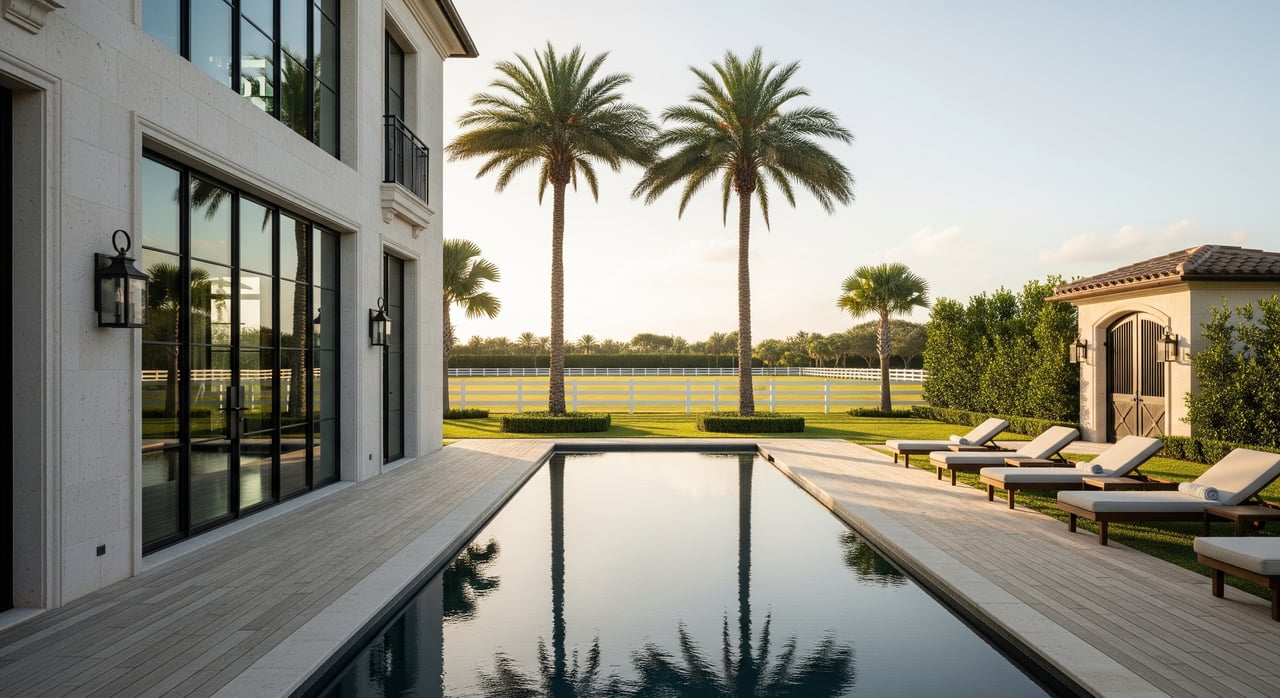
South Florida Luxury Trends Influencing Wellington Homes
December 4, 2025
December 4, 2025
What is really moving the needle in Wellington right now? If you track West Palm Beach and Palm Beach County headlines, you see big luxury trends that do not always play out the same way in Wellington’s equestrian farms and lakefront homes. You want a clear view that separates noise from what truly affects your price, timing, and deal terms. In this guide, you’ll learn how today’s South Florida luxury dynamics shape Wellington’s equestrian and waterfront segments, with practical steps to position your sale or purchase. Let’s dive in.
A larger share of high-end deals in South Florida have been all cash in recent years. Market intel from organizations like Florida Realtors and the National Association of Realtors highlights the role of domestic relocators, international buyers, and investors in boosting cash activity. For you, a stronger cash presence often means shorter timelines and higher certainty. It can also lead to more private or off-market activity at the top end.
Palm Beach County inventory has been normalizing from the 2020–2021 squeeze, yet specialized luxury does not follow a simple pattern. True equestrian acreage in Wellington is limited by zoning and lot-size rules, which supports scarcity value. New luxury product in coastal or suburban pockets may add to countywide “headline” inventory, but it rarely substitutes for a well-located farm near the showgrounds.
South Florida is seasonal. Activity typically climbs in late fall, peaks during winter, and softens after spring. In Wellington, the Winter Equestrian Festival draws a concentrated wave of qualified buyers during show season. Timing your listing or search around that calendar can significantly influence exposure and pricing. You can follow show programming through Wellington’s equestrian community and sites like Wellington International.
Higher rates since 2022 have tightened affordability for rate-sensitive buyers. Jumbo loans are available, but underwriting can be stricter with larger down payment needs. Expect a multi-tiered buyer pool: cash buyers, well-qualified jumbo borrowers, and international purchasers. Your negotiation plan should adjust to each group’s priorities.
South Florida routinely attracts domestic relocators and international capital. County-level luxury reports from firms such as Douglas Elliman’s market reports can help you gauge momentum. If you are selling, targeted outreach to equestrian networks, wealth advisors, and international channels expands your reach. If you are buying, understanding where demand is coming from helps you time offers and structure terms.
Insurance costs and flood awareness have become central to luxury decisions across South Florida. Wellington sits inland, yet many lakefront and canal-front properties still require careful review of flood zones and drainage. The FEMA Flood Map Service Center is a useful starting point to understand flood designations that can affect premiums and lending.
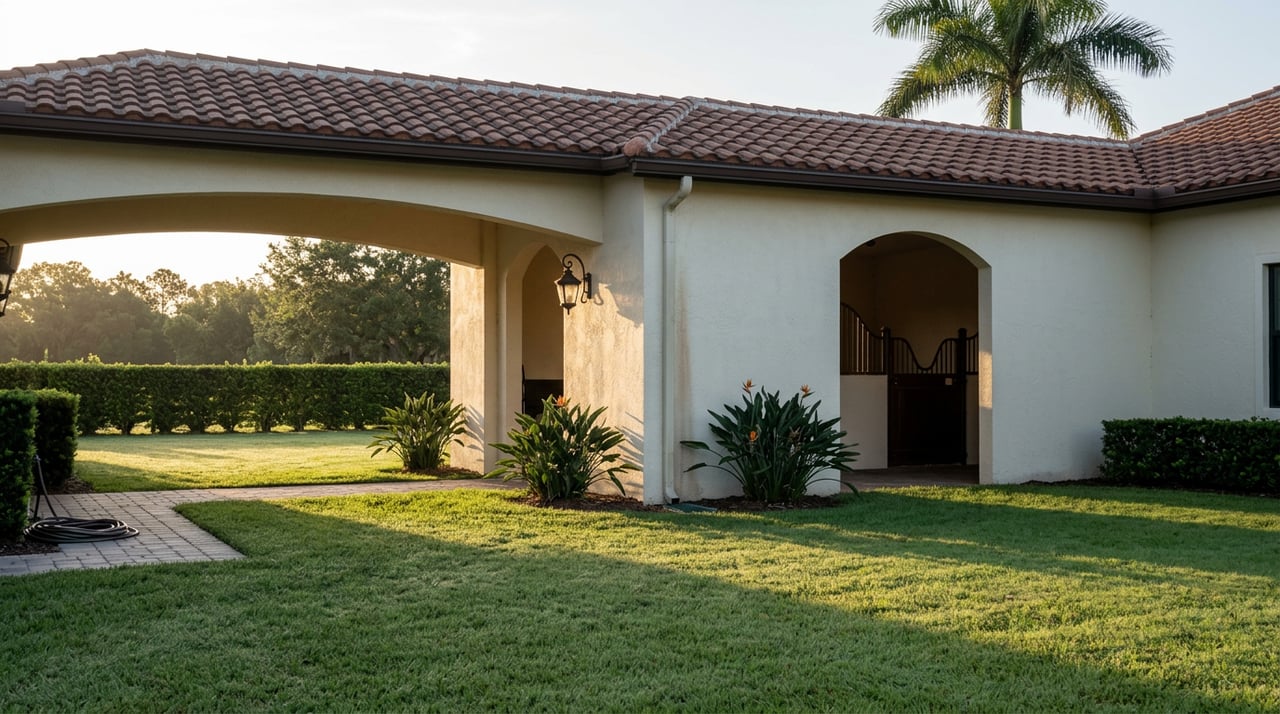
Wellington’s equestrian properties are not interchangeable. Value turns on acreage, barn and arena quality, stall count, turnout, drainage and irrigation systems, and proximity to the showgrounds. Because supply is constrained by horse-friendly zoning and acreage minimums, the right property features sustain premiums. Turnkey facilities often command stronger pricing because bespoke improvements can be costly and time-consuming.
You will meet two broad buyer groups. Operational buyers evaluate a farm like a business and prioritize capacity, layout, and revenue potential from boarding or training. Lifestyle buyers want privacy, proximity, and quality-of-life features. Both groups are more active during WEF season, which can influence listing strategy and price expectations.
The buyer pool for highly specialized farms is smaller than for general luxury homes, so time on market can be longer outside peak season. Private introductions and off-market placements are common at the top end because many clients value discretion. If you are selling, a discreet strategy can surface qualified show-circuit buyers without broad public exposure. If you are buying, access to private inventory can be decisive.
For equestrian transactions, bring specialists who understand farms. Focus on:
In Wellington, “waterfront” usually means lakefront or canal-front inside planned communities, not oceanfront. Buyers pay for view corridors, usable frontage, lot orientation, and privacy. HOA covenants can affect landscaping, dock use, and exterior changes, so confirm what is permitted before you value a potential improvement.
Even inland parcels can fall within FEMA flood zones, which influences premiums and lending. Review the FEMA Flood Map Service Center for flood designations and ask for elevation certificates. Understand how stormwater is managed through community retention systems and who maintains them. Clear documentation reduces surprises during underwriting and appraisal.
Perfect comps are rare for unique water views or oversized lots. Appraisers will analyze usable frontage, elevation, and insurability. Lenders may require proof that flood coverage is available and acceptable. Getting these items organized early helps prevent closing delays.
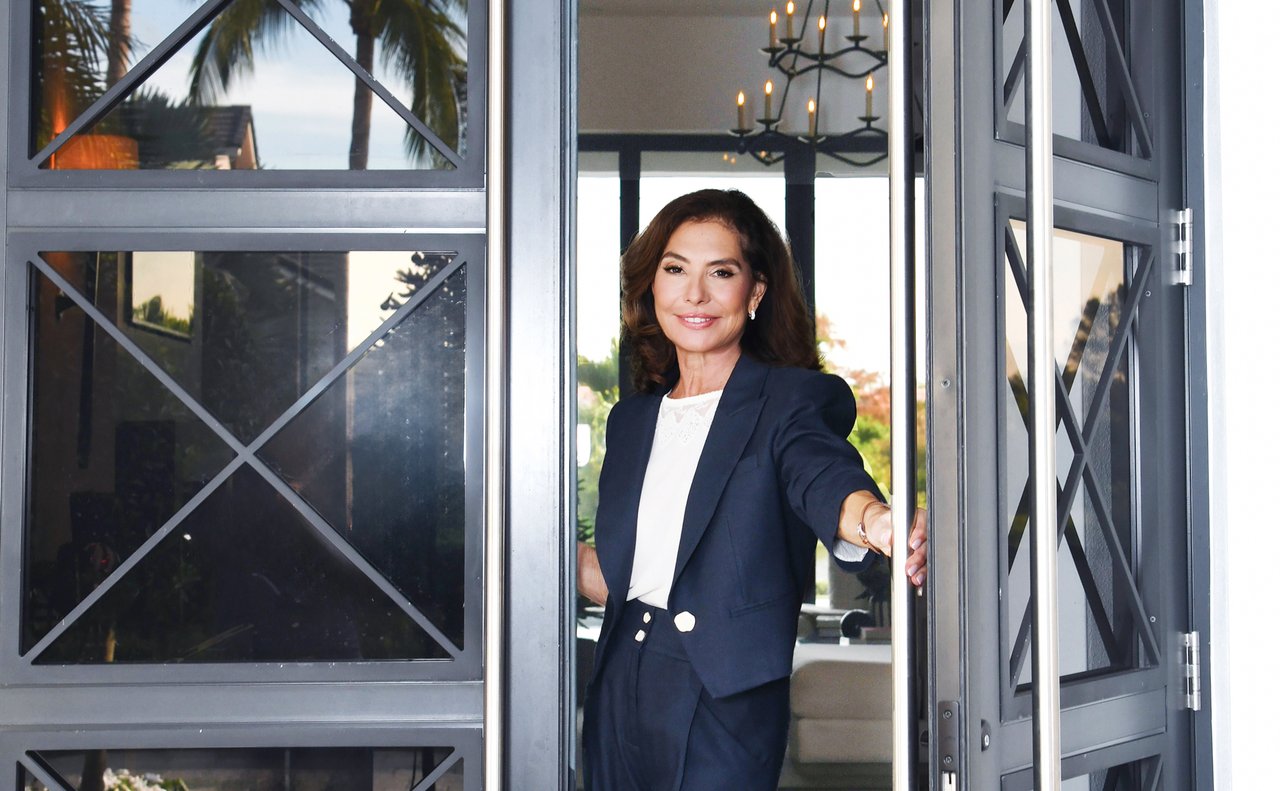
You deserve an advisor who understands both the lifestyle and the logistics of Wellington’s luxury market. Martha’s Properties is a boutique practice led by former grand prix competitor Martha W. Jolicoeur, combining technical equestrian expertise with white-glove presentation and the reach of a leading luxury brokerage platform. The team’s show-circuit presence and private-listing programs connect you to on- and off-market opportunities that match your goals. If you are considering a sale or purchase this season, request a discreet consultation with Martha W. Jolicoeur PA.
Stay up to date on the latest real estate trends.


Whether working with buyers or sellers, Martha provides outstanding professionalism into making her client’s real estate dreams a reality. Contact her today for a free consultation for buying, selling, renting, or investing in Florida.
Get in Touch With Martha Team to Learn More
MARTHA W. JOLICOEUR PA
✉ EMAIL:
✆ TELEPHONE NUMBER:
⚲ ADDRESS: 13501 SOUTH SHORE BLVD STE 102 WELLINGTON FL 33414