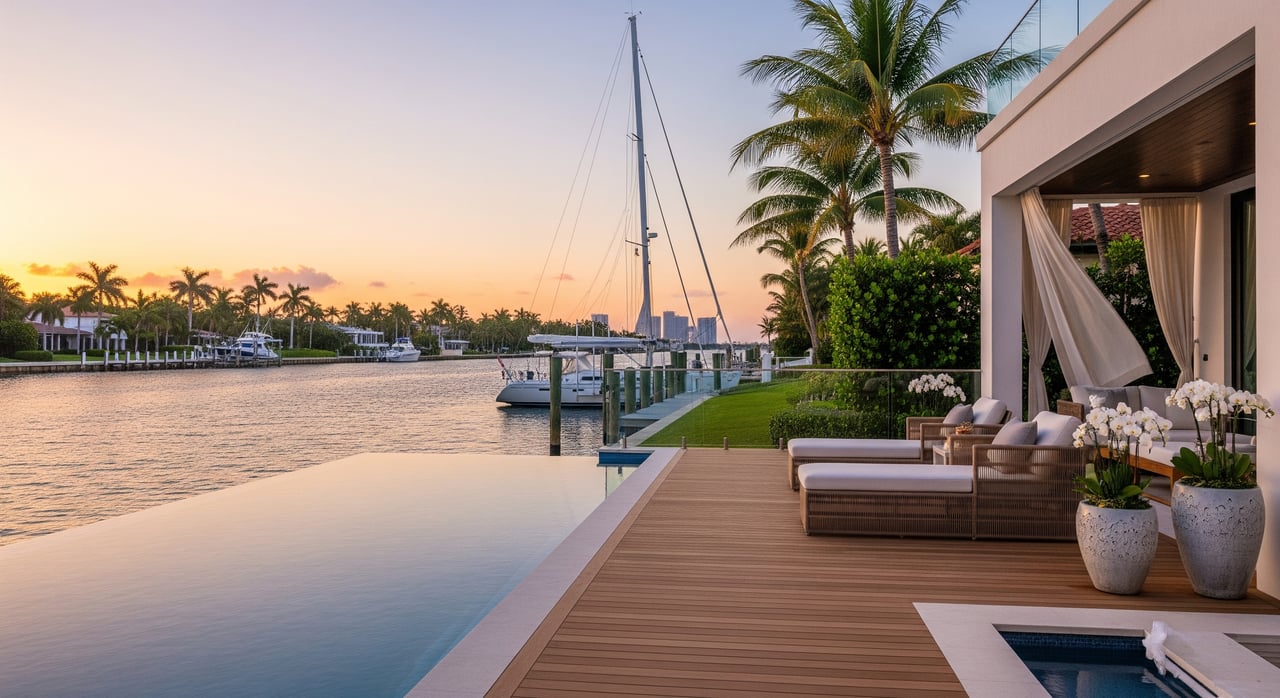
Wellington Farm vs Lake Worth Waterfront Seasonal Living
January 15, 2026
January 15, 2026
Picture your perfect Palm Beach season. Is it sunrise on the Intracoastal with coffee on the dock, or morning hacks in your own arena before an afternoon at the showgrounds? If you are deciding between Lake Worth Beach waterfront living and a Wellington equestrian farm, you are not alone. Each lifestyle delivers a distinct rhythm, set of logistics, and potential for seasonal rental income. This guide compares the two options so you can choose with clarity and confidence. Let’s dive in.
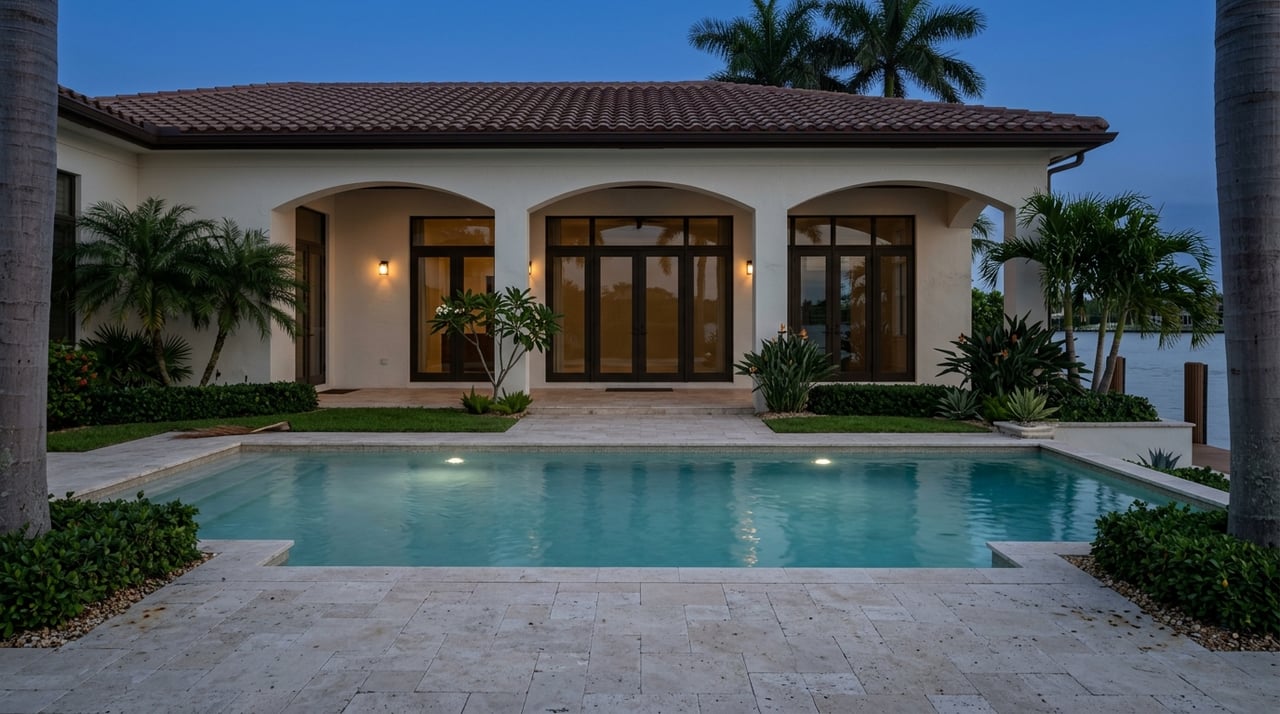
Lake Worth Beach puts you on the lagoon side of the Intracoastal Waterway with quick access to the Atlantic through nearby inlets. Waterfront homes often feature private docks, boat lifts, pools, and outdoor spaces designed for easy entertaining. If your ideal day includes a morning cruise, a beach stop, and a dinner reservation in Palm Beach, the waterfront lifestyle aligns with your plans.
Water depth, dock design, and seawall condition matter here. You will find a mix of private docks and community or commercial marinas that support fueling and service. For larger or deeper draft yachts, you may need to secure slips in marinas with greater depth north in the county.
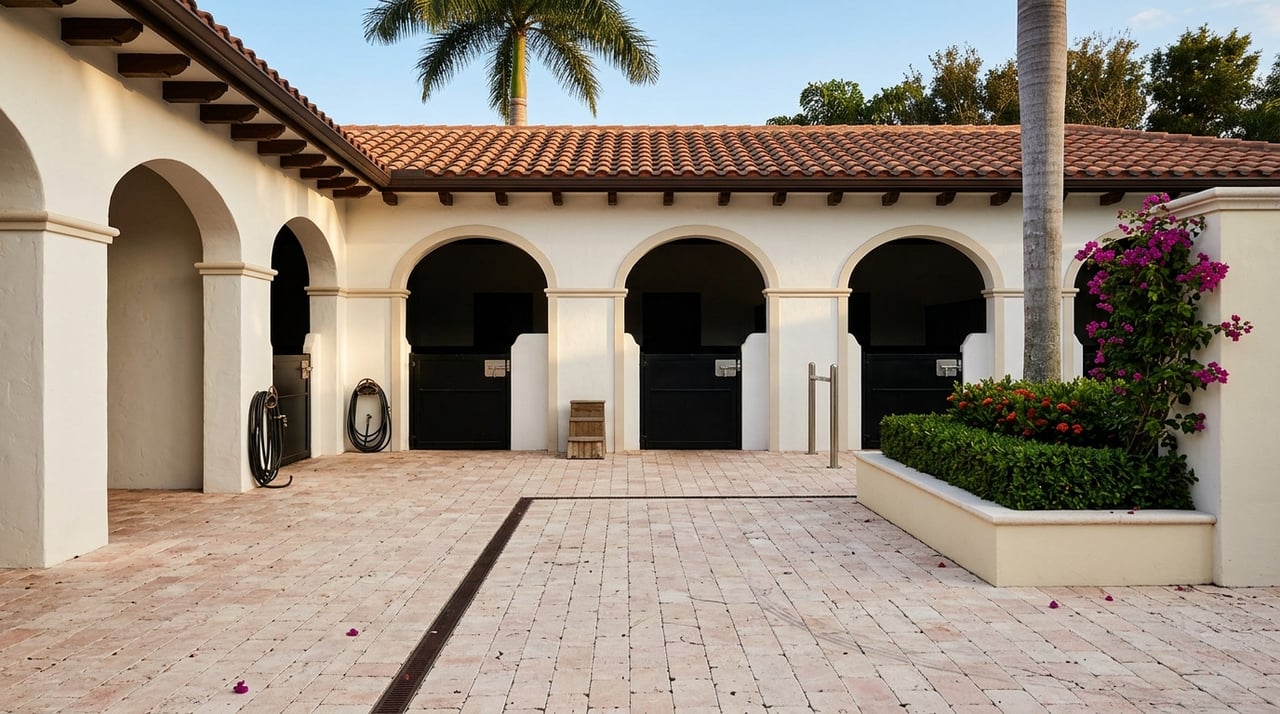
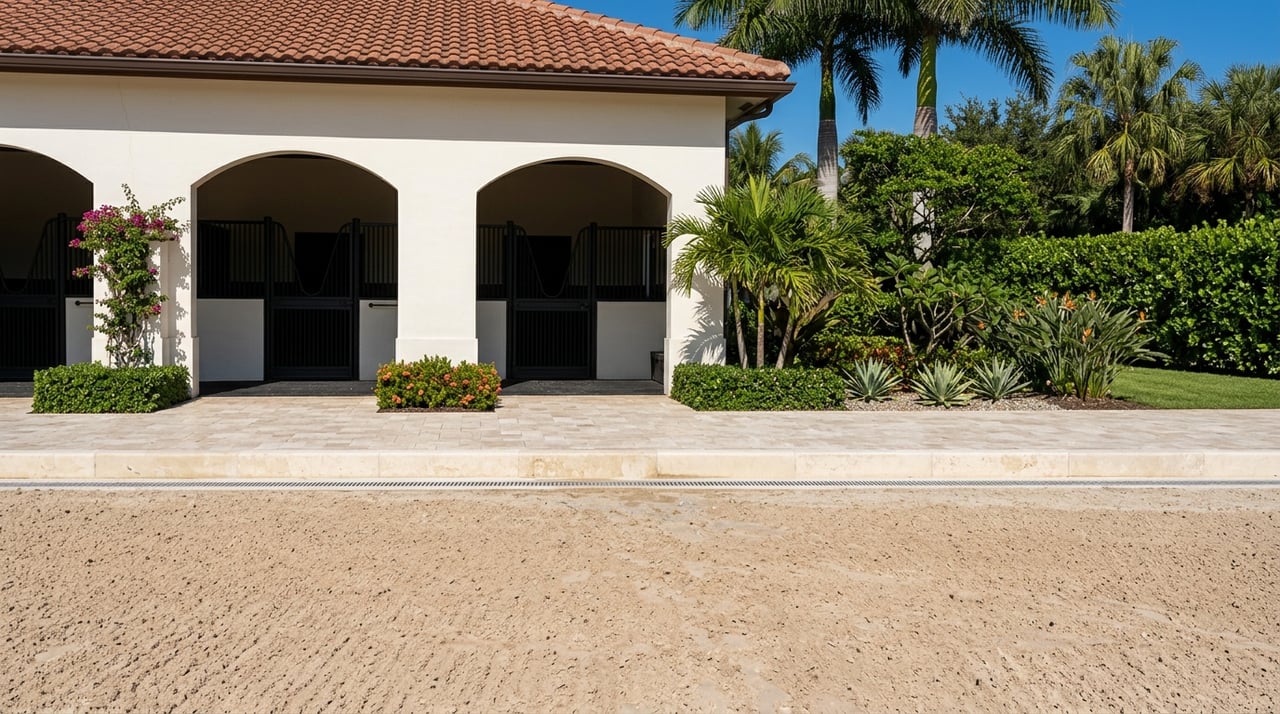
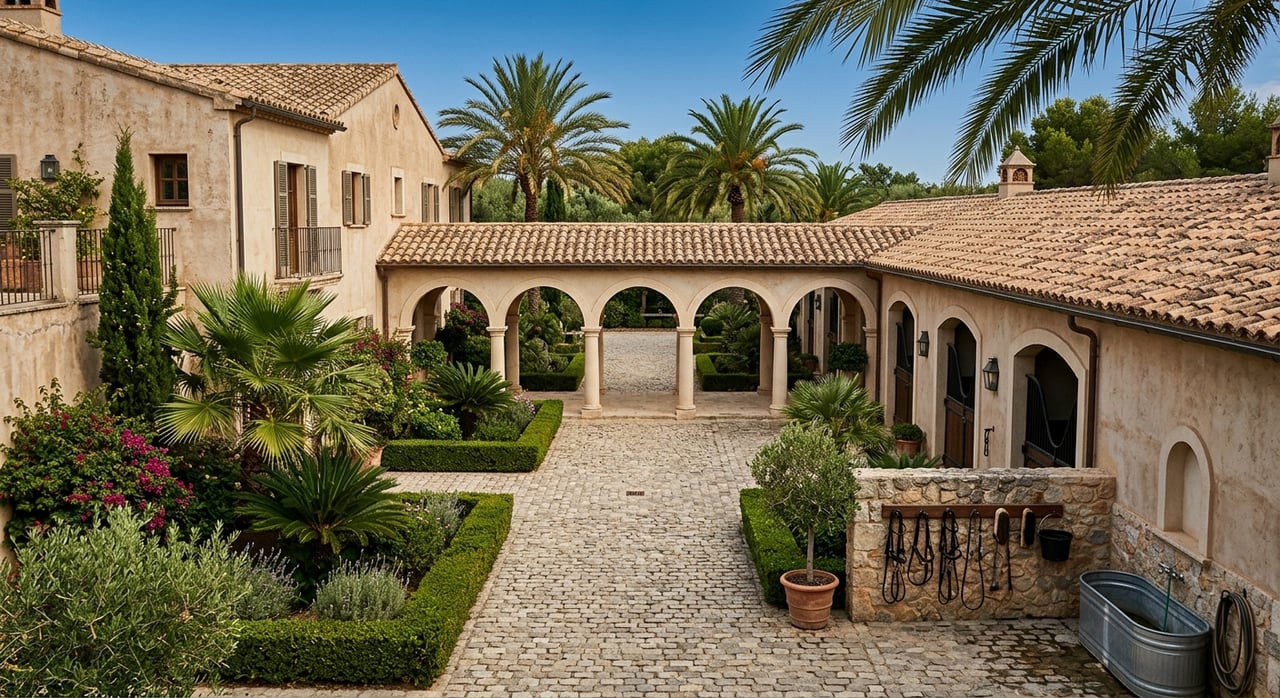
Wellington is built around horse husbandry and training. Properties commonly offer barns with multiple stalls, fenced paddocks, covered or open arenas, storage for hay and equipment, and space for staff. Daily routines center on horses, turnout, and training schedules.
Crucially, the Palm Beach International Equestrian Center is located in Wellington, placing you minutes from the Winter Equestrian Festival calendar, schooling opportunities, and a deep network of trainers and services. If your season revolves around showing, teaching, or owning horses in competition, proximity to PBIEC is a defining advantage.
If you live in Wellington, you are typically a short drive from PBIEC, often within minutes depending on your farm’s location. From Lake Worth Beach, typical drive times to Wellington and PBIEC range roughly 20 to 40 minutes under normal traffic, with longer times possible during peak winter and major event days. Palm Beach International Airport serves both lifestyles and offers commercial and private FBO options, which is a frequent convenience factor for seasonal residents.
Waterfront properties in Lake Worth Beach offer direct access to the Intracoastal and, via nearby inlets, the Atlantic Ocean. Expect to coordinate slip size, water depth, and fueling with private docks or local marinas. Deep draft vessels may need larger facilities in northern Palm Beach County. Seasonal boating peaks in winter, so plan ahead for slips and service schedules. Hurricane planning for vessels is essential, including haulout options and secure moorings.
For marina inventories, slip facilities, and county boating guidance, review Palm Beach County’s boating resources to understand local services and seasonal patterns before you commit to a specific vessel size or marina plan.
Waterfront systems need consistent attention. Seawalls, pilings, docks, lifts, and marine hardware face salt exposure that accelerates wear. Exterior paint, metal fixtures, and pool equipment may require more frequent maintenance than inland homes. Hurricane readiness is part of your routine, including shutters or impact glazing and a plan for vessel relocation or haulout.
Landscaping typically uses salt‑tolerant plantings and robust irrigation. Electrical for docks and lift systems must be permitted and inspected regularly. Flood risk and wind exposure can influence insurance premiums, so factor those into long‑term carrying costs.
Daily farm operations are more staff intensive. Barns require stall cleaning, bedding, pest control, and ongoing structural care. Arenas need footing maintenance, dust control, and periodic renovation. Paddocks and pastures benefit from rotational grazing, fence upkeep, and soil management. Manure handling must follow local rules with proper storage and disposal.
During season, many owners retain grooms, a barn manager, trainers, and groundskeepers. Biosecurity and veterinary coordination are standard, especially as horses travel for competition.
Both property types include property taxes, utilities, security, and specialized management. On the farm side, water and irrigation needs can be high, while waterfront homes often prioritize pool heating, exterior upkeep, and marina or boat service contracts.
Insurance programs should match your property’s risks. Waterfront homes face elevated exposure to coastal flooding and storm surge. Flood zones defined by FEMA are a key reference point, and private flood insurance markets are active in Florida. Wind coverage often includes hurricane deductibles. Equestrian farms typically combine homeowners coverage with farm liability, and you may layer equine policies for high‑value animals and riding activities.
Wellington’s agricultural and equestrian zoning supports barns, arenas, and related uses. Some properties may qualify for agricultural classifications for tax assessment if they meet county criteria. In Lake Worth Beach, waterfront parcels follow urban coastal zoning, and you will need to comply with local codes for docks, seawalls, and accessory structures.
Marine construction, including docks and seawalls, can require county and state permits and, in certain cases, federal approvals. Planning improvements in either location is smoother when you consult municipal codes and permitting agencies early.
Wellington’s rental market concentrates around the Winter Equestrian Festival and related competitions, spanning late fall into spring. Farms equipped with stalls, turnout, and training surfaces can command premium multi‑month leases. Many tenants seek turnkey arrangements that integrate equine services, storage, and proximity to showgrounds. Management often involves coordinating feed, farriers, and veterinary schedules.
Lake Worth waterfront homes see peak demand in winter from snowbirds and vacationers who prioritize boating and beach access. High‑end properties can perform well with weekly or monthly stays, depending on local rules. Year‑round leisure tourism supports occupancy outside the peak months, though pricing and booking windows vary. Management often includes marina planning, boat storage logistics, and guest services tailored to a coastal stay.
Before assuming a rental strategy, verify current city ordinances for registration, occupancy, and parking. Wellington’s market traditionally favors multi‑month exhibitor leases, while coastal municipalities often have defined rules for vacation rentals.
Use this quick scoring model. Assign a weight from 1 to 5 based on importance, then score each location. The higher total wins.
If your season revolves around daily rides, showing, and horses on‑site, Wellington’s farm lifestyle and proximity to PBIEC will likely be the best fit. If you prioritize boating, the beach, and coastal entertaining, Lake Worth waterfront living delivers that experience with marina access and a relaxed shore rhythm. Many seasonal residents mix the two by owning in one location and renting in the other for part of the winter.
The right choice balances lifestyle with operations, insurance, and rental goals. A property that matches your daily routine usually delivers the highest return on enjoyment and a clearer management plan.
Whether you are exploring stall counts and arena footing or seawalls and slip depth, you deserve a trusted, technically informed advisor. Tap into local knowledge, private listings, and discreet, concierge service tailored to your season. Start a conversation with Martha W. Jolicoeur PA to compare specific properties and make a confident move.
Stay up to date on the latest real estate trends.
Whether working with buyers or sellers, Martha provides outstanding professionalism into making her client’s real estate dreams a reality. Contact her today for a free consultation for buying, selling, renting, or investing in Florida.
Get in Touch With Martha Team to Learn More

MARTHA W. JOLICOEUR PA
✉ EMAIL:
✆ TELEPHONE NUMBER:
⚲ ADDRESS: 13501 SOUTH SHORE BLVD STE 102 WELLINGTON FL 33414