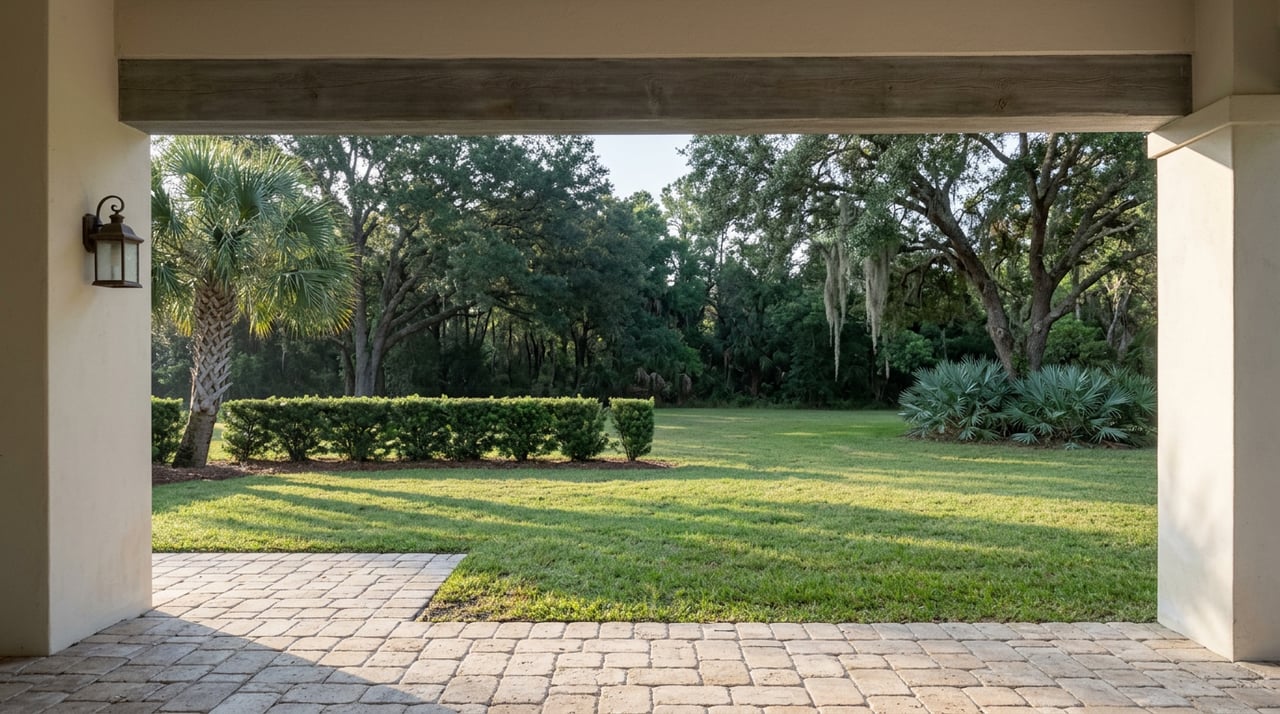
Things to Do in Loxahatchee: A Resident's Guide
August 13, 2026
August 13, 2026
The number on the sign at the visitor center is real: 145,188 acres, one of the last unbroken pieces of the northern Everglades, protecting wet prairies, sawgrass ridges and a 400-acre cypress swamp. It sounds like an open invitation. For anyone who actually lives in Loxahatchee and wants to walk a dog or ride a horse on that land, it isn't one.
The Arthur R. Marshall Loxahatchee National Wildlife Refuge allows pet walking and horseback riding in exactly one place: the Perimeter Levee, and only the stretches of it that are currently open. That single restriction, easy to miss on a first read of the refuge rules, is the difference between a backyard and a brochure. The rest of the property, the visitor center grounds, the Cypress Swamp Boardwalk, the section along Lee Road, is closed to both.
Here is what that looks like in practice.
| What the refuge protects | What you can actually use |
|---|---|
| 145,188 total acres | Perimeter Levee only, for pets and horses |
| 58 miles of levee | 36 miles currently open to trail users |
| Cypress Swamp Boardwalk, 0.4 miles | Closed until further notice |
| Loxahatchee Road, a boat-ramp access route | Under a detour running through early 2027 |
That last line matters more than it looks. The refuge's Hillsboro Area Detour has had roughly 6.2 miles of Loxahatchee Road torn up since October 2023, with a completion window that now runs to early 2027. Reaching the boat ramps that serve as trailheads for the Perimeter Levee means following the posted detour through Holmberg Road and University Drive, not the straight shot longtime residents remember.
On paper, the whole refuge is public land. In practice, only the Perimeter Levee is open to a leash or a saddle, and only 36 of its 58 miles are walkable right now.
None of this makes the refuge less worth having next door. It makes it a narrower, more specific resource than the acreage number suggests, and knowing exactly which 36 miles are yours is worth more than knowing the refuge exists at all.
Lion Country Safari gets marketed as a day trip. Every travel site treats it that way: book ahead, budget four to six hours, plan your route from the turnpike. That framing makes sense for a visitor driving in from Miami. It undersells what the place actually is for someone who lives a few minutes away.
Founded in 1967, Lion Country Safari bills itself as the country's first cageless zoo, a drive-through preserve where more than a thousand animals move freely around your car instead of the other way around. It is open 365 days a year, 9:30 a.m. to 5:30 p.m., holidays included, with no seasonal closure and no off-season the way a lot of Palm Beach County attractions have. For a resident, that turns it into something closer to infrastructure than entertainment: a loop you can do on a Tuesday evening with the windows up, not an event you build a Saturday around.
The property also runs its own KOA campground, 233 sites ranging from full-hookup RV spots to rustic cabins, set inside the safari grounds. You can hear the animals at night without a flight or a hotel reservation. That is not a detail most visitor guides mention, because most visitor guides are written for people who are leaving in a few days. Residents are the ones who actually get to use the annual pass model the way it is designed to work: five short visits a year instead of one long, expensive one.
Seminole Ridge Park, off 74th Street North, does not show up in the same searches as the refuge or the safari, and that is close to the point. Its trails are shorter, flatter and built for repetition rather than spectacle: a leisurely stroll or a harder run depending on the day, with restrooms and a playground at the trailhead. Deer, raccoons, assorted birds and the occasional snake or lizard turn up regularly, which is unremarkable here in a way it would not be almost anywhere else in Florida. Fall and spring are the comfortable months. Summer means afternoon thunderstorms on a predictable clock, which is less a warning than a scheduling fact anyone who has lived here more than a season already knows.
It is not a destination. It is the loop you do before the heat sets in, which is a different kind of value than the refuge or the safari offer, and just as real.
For everything that has nothing to do with animals, Grove Market Shopping Center is where most of it happens. It is a plain, practical retail center, not a lifestyle destination, and the easiest time to get in and out is midmorning on a weekday rather than the weekend everyone assumes is quieter.
The Acreage Green Market, at 6701 140th Avenue North, runs on a different rhythm entirely. Vendors there sell produce, eggs, honey, baked goods, coffee, plants and even pet food, the kind of market built around what a household actually runs out of during the week rather than what photographs well. It is not trying to be a destination market the way some coastal towns build their Saturdays around one. It is closer to a standing appointment.
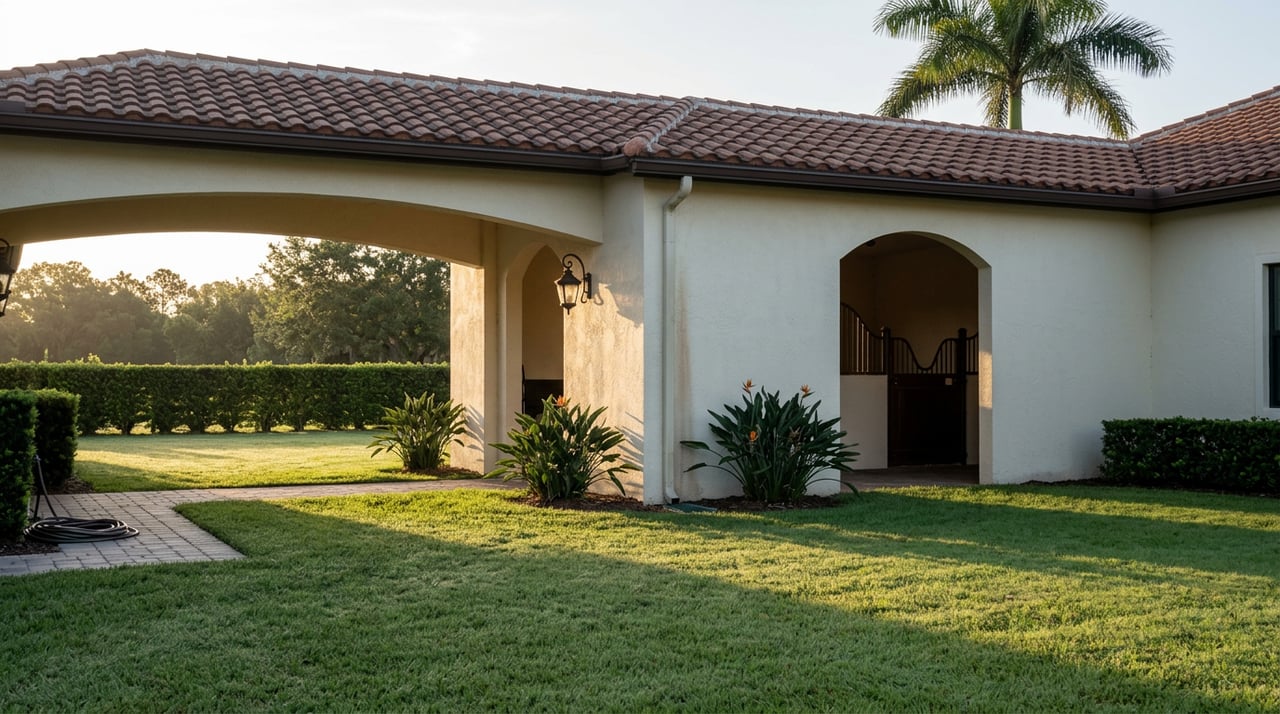
Six miles from Lion Country Safari sits the Palm Beach International Equestrian Center, where riders are working through the next class of the day. That proximity is real and it matters to plenty of people who moved here specifically to be near it. But the same rural buffer that keeps Loxahatchee's roads quiet and its lot sizes generous is also what keeps the show circuit's crowds and traffic optional rather than constant. For anyone who wants more open land than the refuge's 36 usable miles allow, J.W. Corbett Wildlife Management Area sits close enough to be a lunch-break option rather than a planned excursion.
The postcard version of Loxahatchee promises unlimited acreage and an amusement park down the road. The actual version is narrower and more specific: one levee trail, one campground-anchored safari that rewards repeat visits more than single ones, one quiet park built for laps rather than looks, two markets that run on household rhythm instead of tourist season. That is a smaller list than the brochure implies, and it is also a more honest one. People who have lived here a while already know which 36 miles are theirs. Everyone else is still picturing the whole 145,000 acres.
That kind of granular, on-the-ground knowledge, which roads are under detour, which trail actually allows your horse, which market runs which day, is the same instinct Martha's Properties brings to every equestrian farm and estate transaction in Wellington and the surrounding communities. If you are weighing a move within Loxahatchee or simply want a second opinion from someone who tracks this market the way Martha's team does, reach out any time.
Stay up to date on the latest real estate trends.


Whether working with buyers or sellers, Martha provides outstanding professionalism into making her client’s real estate dreams a reality. Contact her today for a free consultation for buying, selling, renting, or investing in Florida.
Get in Touch With Martha Team to Learn More

MARTHA W. JOLICOEUR PA
✉ EMAIL:
✆ TELEPHONE NUMBER:
⚲ ADDRESS: 13501 SOUTH SHORE BLVD STE 102 WELLINGTON FL 33414