Florida's Insurance Rates Are Falling. The Barn in Palm Beach Point Isn't Included.
October 1, 2026
October 1, 2026
Florida's insurance market had a good week. On September 23 and 24, 2026, regulators approved four more rate decreases on homeowner policies, averaging about seven percent and covering more than 62,000 policies statewide. Citizens Property Insurance, the carrier of last resort that once held 1.4 million Florida policies at its 2023 peak, had shrunk to about 255,000 by September 18. Insurance Commissioner Mike Yaworsky told reporters he expects the trend to continue.
"I expect to see more aggressive rate cuts in the near future and going into 2027." Insurance Journal reported.
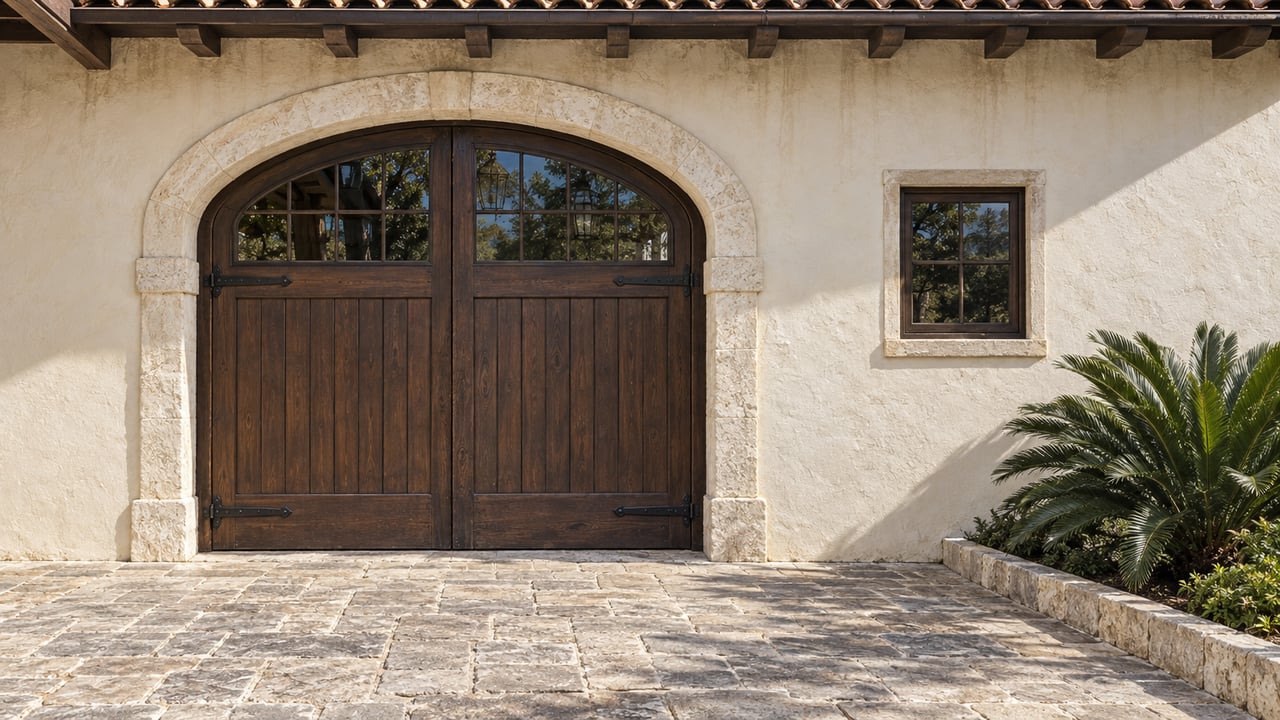
That is genuinely good news for anyone who owns a house in Florida, and it will show up in a lot of real estate content this fall as evidence that the state's insurance crisis is over. For a buyer comparing farms in Wellington's equestrian communities, though, the headline number answers a question nobody asked. The house was never the expensive part of insuring a Palm Beach Point estate. The barn is, and the barn isn't part of this story.
The relief moving through Florida right now is a homeowners-market story. Citizens' own 2026 multiperil rates, approved back in March, are falling by an average of 8.8 percent statewide, with changes phasing in for new policies and at renewal for existing ones. Regulators credit the turnaround to 2022 and 2023 tort reforms that cut litigation costs out of insurers' loss ratios, which let more private carriers write business and let Citizens keep shedding policyholders back to that private market.
None of that is in dispute, and none of it is specific to Wellington. It is a statewide correction to the dwelling and contents side of a standard homeowners policy: the roof, the walls, the kitchen, the pool cage. It is the number a lender pulls for a mortgage on a suburban house in Boynton Beach or Greenacres.
A standard homeowners policy, even a newly discounted one, was never underwriting a barn, a covered arena, or a run of stalls. Equestrian structures and the liability that comes with keeping horses sit outside that policy by design, which is why farm and equine insurers sell a separate category of coverage built specifically for barns, arenas, tack rooms, and the animals inside them. That separation exists everywhere horses are kept, not just in Wellington, but it matters more here because the properties are built to make full use of it.
Palm Beach Point POA describes a gated equestrian neighborhood spanning more than 800 acres inside the Village of Wellington, with a minimum lot size of five acres built specifically for horse-keeping. The community sits inside Wellington's 65-mile bridle trail network, within reach of the Palm Beach International Equestrian Center, in a village that draws an estimated 15,000 horses each show season. None of that is incidental landscaping. It is the reason the lots start at five acres instead of the smaller parcels common elsewhere in the village, and it is why buyers here are typically pricing a barn program, not just a house.
The community's own guidelines allow a meaningful stall count on those five-acre lots, scaling up further on the ten-acre estates. A buyer choosing Palm Beach Point over a comparable house on a standard residential lot is, in practical terms, choosing to build or inherit more insurable barn square footage. That is the entire appeal of the address. It is also the entire reason the falling homeowners numbers in last month's news don't move the total cost of owning here the way they would for a buyer elsewhere in the county.
Barn coverage in South Florida runs through a different track than the dwelling policy, and it has not been getting the same headlines. A Wellington-based equine insurance specialist who founded Equisport Insurance Agency in 1984, now leading that division under Marshall+Sterling, has been direct about the mechanics: insuring a wood-frame barn here is harder than insuring a comparable structure inland, because hurricane exposure pushes the risk into specialty placement, and specialty placement tends to cost more.
That market is also being restructured right now, separately from the homeowners cuts. Senate Bill 1028, enrolled in March 2026, created a commercial risk clearinghouse for policies currently sitting with Citizens. Under the new process, admitted carriers get five business days to offer comparable coverage on a commercial or agribusiness risk before it moves to a surplus lines clearinghouse, where excess and surplus carriers can bid instead. A working farm with boarding, training, or lesson income can fall into that commercial category, which means its coverage path is shifting through a completely different regulatory mechanism than the one producing this year's 8.8 percent homeowners relief.
Here is the split in plain terms:
| Admitted homeowners market | Farm & equine specialty market | |
|---|---|---|
| What it covers | House, contents, standard liability | Barns, arenas, tack rooms, equine liability |
| Regulator/mechanism | Citizens rate filings, OIR approvals | Farm/ranch carriers, E&S/surplus lines, SB 1028 clearinghouse |
| 2026 trend | Rates falling, Citizens shrinking | Placement still specialty, construction-dependent, hurricane-priced |
| Who prices it | Same carrier writing the dwelling | Often a different carrier entirely |
The two tracks can sit on the same property and move in opposite directions in the same year.
A buyer touring farms in Palm Beach Point this season should ask a seller's agent for two separate figures, not one. The first is the homeowners or dwelling quote, which is the number riding this year's statewide relief. The second is the standalone farm, ranch, or equine property quote covering the barn, any covered arena, and equine liability, priced on its own construction type and its own named-storm deductible.
Wood-frame barns and concrete block or steel barns are not treated the same way in that specialty market, and a barn built out to the stall count Palm Beach Point's guidelines allow will carry a materially different insured value than a smaller setup elsewhere in Wellington. Before writing an offer, it is worth confirming which market the current barn policy sits in: Citizens, an admitted specialty carrier, or an E&S placement that could be affected by the new clearinghouse process. That single question tells you more about the property's real annual carrying cost than anything in last month's rate-cut headlines.
Does the 8.8 percent Citizens cut apply to my barn? No. That reduction applies to Citizens' homeowners multiperil policies covering the dwelling and contents. Barns, arenas, and equine liability are underwritten separately through farm, ranch, or equine specialty carriers, and are not part of that filing.
Are all Palm Beach Point lots built to the same stall allowance? Lots in the community run five or ten acres, and the larger parcels support a larger barn footprint under the same community guidelines. Confirm the specific stall count and any prior improvements with the seller and the community's property owners association before finalizing an insurance quote.
Could this year's quiet hurricane season change next year's barn insurance numbers? It could work in either direction. Forecasters have pointed to a below-average 2026 Atlantic season, which tends to support softer specialty pricing at renewal. A single significant storm anywhere in the state can reverse that quickly, since barn and arena coverage is priced heavily on hurricane exposure regardless of where the season's activity actually lands.
Buying a working farm in Palm Beach Point means pricing two insurance markets that are moving on two different timelines this year. Martha's Properties works through both sides of that math with buyers before an offer goes in, not after closing.
This article is general information, not legal, tax or financial advice. Consult a qualified professional about your situation.
Stay up to date on the latest real estate trends.


Whether working with buyers or sellers, Martha provides outstanding professionalism into making her client’s real estate dreams a reality. Contact her today for a free consultation for buying, selling, renting, or investing in Florida.
Get in Touch With Martha Team to Learn More

MARTHA W. JOLICOEUR PA
✉ EMAIL:
✆ TELEPHONE NUMBER:
⚲ ADDRESS: 13501 SOUTH SHORE BLVD STE 102 WELLINGTON FL 33414