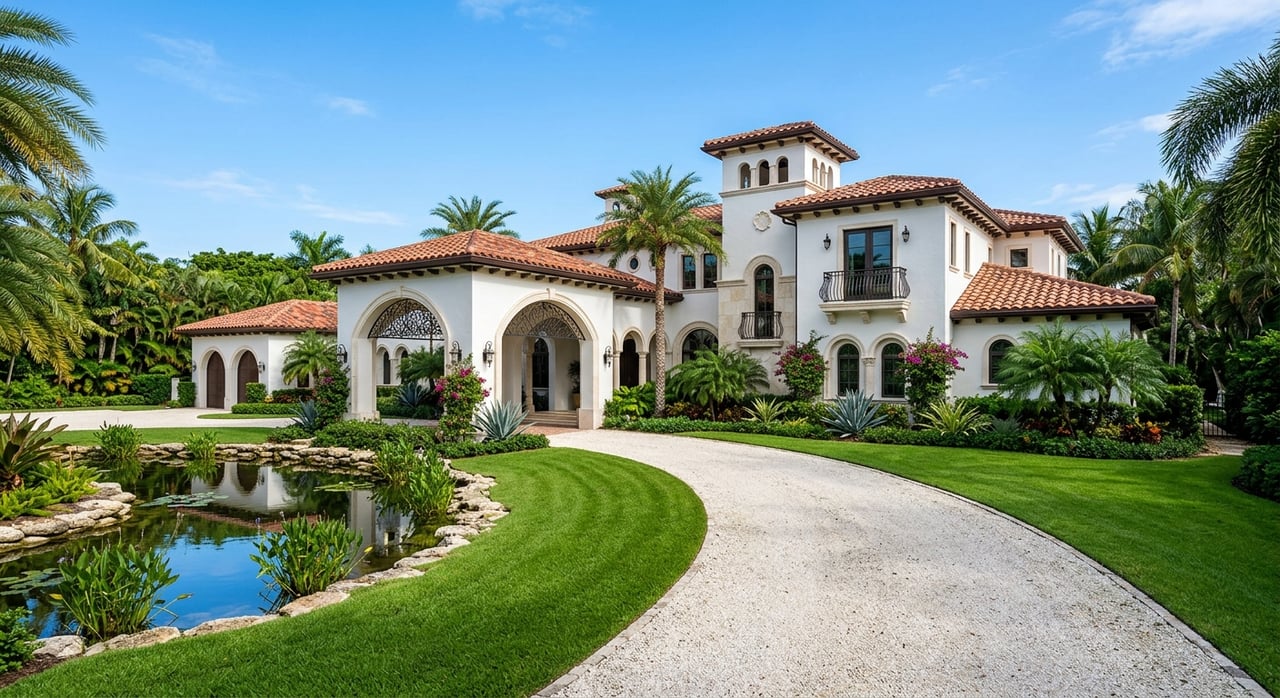
Loxahatchee Groves Land Use Exemptions & Ag Classification
April 16, 2026
April 16, 2026
If you are looking at land in Loxahatchee Groves, one detail can change everything: what you think a property can do is not always what the property is actually allowed to do. That matters even more in a rural, low-density market where buyers may be planning barns, nurseries, fencing, clearing, ponds, or a future residence. Understanding how land use and agricultural classification work can help you avoid costly assumptions and move forward with more confidence. Let’s dive in.
Loxahatchee Groves follows a land-use framework shaped by the Town’s Comprehensive Plan, which serves as the long-term guide for land use, infrastructure, housing, transportation, economic development, and environmental sustainability. The Town adopted its most recent evaluation and appraisal amendments in 2024.
For buyers and sellers, the practical takeaway is simple: land use is not just about what exists on a parcel today. It is also about what future use the property is designated for and what standards apply if you want to improve or change it.
Palm Beach County explains that a Future Land Use designation identifies a parcel’s development potential, while zoning controls the permitted use and development standards. The County also states that the two must be consistent for development.
That distinction is important in Loxahatchee Groves. County planning materials describe the area as predominantly agricultural-residential, with limited nonresidential use and only a small commercial area along Southern Boulevard. Those same materials note that AR zoning does not allow general commercial development, and the Town states that its Agricultural Residential classification allows a maximum density of one dwelling unit per five acres.
If you are evaluating acreage for an equestrian setup, nursery operation, or future homesite, the question is not just whether the land is large enough. You also need to know whether the parcel’s future land use and zoning support your intended use.
County planning documents note that changing land to commercial or industrial use generally requires a Future Land Use Atlas amendment and/or zoning change, not just a simple permit. In other words, a property’s rural character is intentional, and that can directly affect value, flexibility, and long-term plans.
One of the most misunderstood topics in rural property is the so-called ag exemption. In Palm Beach County, agricultural classification is not the same thing as blanket permission to build, clear, or operate without review.
Under Florida law, agricultural classification under section 193.461 is a property-tax classification for land used primarily for bona fide agricultural purposes. The Palm Beach County Property Appraiser also explains that this is not an exemption, but a reclassification that can lower or, in some cases, raise the assessment depending on factors such as cap recapture or how structures are treated.
Florida law says applications must be filed by March 1, and the land must be in bona fide agricultural use as of January 1. The property appraiser may consider several factors, including:
The Property Appraiser also states that a new owner generally must reapply for the following year, and a denial can be appealed to the Value Adjustment Board. It also notes that offering property for sale does not automatically defeat agricultural classification if the land continues to be used primarily for bona fide agricultural purposes.
A common question is whether agricultural land can still qualify if there is already a home on the property. Under Florida law, the presence of a dwelling does not automatically prevent agricultural classification, although the residence and its curtilage are handled separately for assessment.
That can be especially relevant in Loxahatchee Groves, where buyers may be balancing residential use with equestrian or agricultural operations on the same parcel.
This is where many buyers get tripped up. Agricultural classification for tax purposes does not mean every structure or site improvement can move forward without permits or review.
The Town’s Community Standards Department oversees planning, zoning, building, land use, site development, signage, business licensing, and building permitting. The Town says development must comply with the Comprehensive Plan, code standards, surrounding infrastructure, and environmental requirements.
Florida Statute 604.50 exempts qualifying nonresidential farm buildings, farm fences, and farm signs on bona fide agricultural land from the Florida Building Code and from county or municipal code or fees, except for floodplain rules. The Town’s exemption form also distinguishes these nonresidential farm buildings from residential farm buildings and accessory structures, which are not treated the same way.
So if you are planning a barn, shed, fence, or agricultural support structure, the details matter. Whether a project qualifies depends on the structure itself, the land’s status, and whether floodplain or other regulations still apply.
The Town’s permit FAQ notes that fill, excavation, grading, or vegetation removal within 50 feet of a designated FEMA flood area may require floodplain review. Some projects may also need engineer-sealed floodplain compensating storage calculations.
This is an important point for rural parcels where site work often starts early. Even if a buyer is focused on agricultural use, floodplain-sensitive work may still trigger another layer of review.
In Loxahatchee Groves, land value is often tied to usability. But before spending money on clearing, grading, fencing, or access improvements, you will want to verify what is allowed.
The Town says vegetation permits are generally required. Property with a bona fide agriculture use code is exempt under the Florida Right to Farm Act, but if that use code is only anticipated and has not yet been assigned, the property remains subject to the Town’s vegetation and land-development regulations.
A right-of-way permit is required for work in town rights-of-way or swales that involves installing or removing structures or materials, earthwork, grading, paving, or activities that could obstruct or alter drainage. The Town says this can include certain nursery or agricultural uses in the swale or right-of-way.
That matters because seemingly simple improvements, such as driveway access changes, swale work, or site prep near the road, may require review before work begins.
For many buyers, the smartest move is to confirm the land-use layers before making assumptions about value. In a market like Loxahatchee Groves, where low-density and agricultural-residential patterns are part of the area’s identity, that extra step can help you avoid expensive surprises.
For parcel-specific information, the Town offers zoning confirmation letters and Planning and Zoning review. This can be helpful if you want written verification before moving forward.
Just keep in mind that the Town describes a zoning confirmation letter as written verification of zoning and land-development information, not an approval of a business. It is a useful due-diligence tool, but not a substitute for permits, approvals, or full project review.
In practice, due diligence is split across different offices. Planning and Zoning interprets the code and Comprehensive Plan, Building reviews permits, and the Property Appraiser handles agricultural classification for assessment purposes.
That split is one reason coordination matters before major decisions, especially if you are evaluating a property for equestrian improvements, agricultural operations, or future development.
The Town says a pre-application meeting is mandatory for planning and zoning applications, and a pre-construction meeting is required for work covered by a Town permit. Permit applications commonly require proof of ownership, a survey or site plan, and other project-specific materials.
The Building Department also accepts permit, plan review, and inspection requests electronically through MGO, which can help streamline the process once you know what approvals are needed.
In Loxahatchee Groves, value is often tied to more than acreage alone. A parcel’s real usefulness depends on whether its future land use, zoning, and agricultural classification align with your plans.
If you are comparing properties, ask practical questions early:
For buyers of farm and equestrian properties, these are not small details. They can affect timing, cost, flexibility, and ultimately the value you assign to the land.
When you are weighing acreage in Palm Beach County, experienced guidance can help you connect the dots between what a parcel looks like on paper and how it may function in real life. If you are considering land, a farm, or an equestrian property in or around Loxahatchee Groves, Martha W. Jolicoeur PA can help you navigate the local market with knowledgeable, discreet service tailored to your goals.
Stay up to date on the latest real estate trends.
Whether working with buyers or sellers, Martha provides outstanding professionalism into making her client’s real estate dreams a reality. Contact her today for a free consultation for buying, selling, renting, or investing in Florida.
Get in Touch With Martha Team to Learn More

MARTHA W. JOLICOEUR PA
✉ EMAIL:
✆ TELEPHONE NUMBER:
⚲ ADDRESS: 13501 SOUTH SHORE BLVD STE 102 WELLINGTON FL 33414