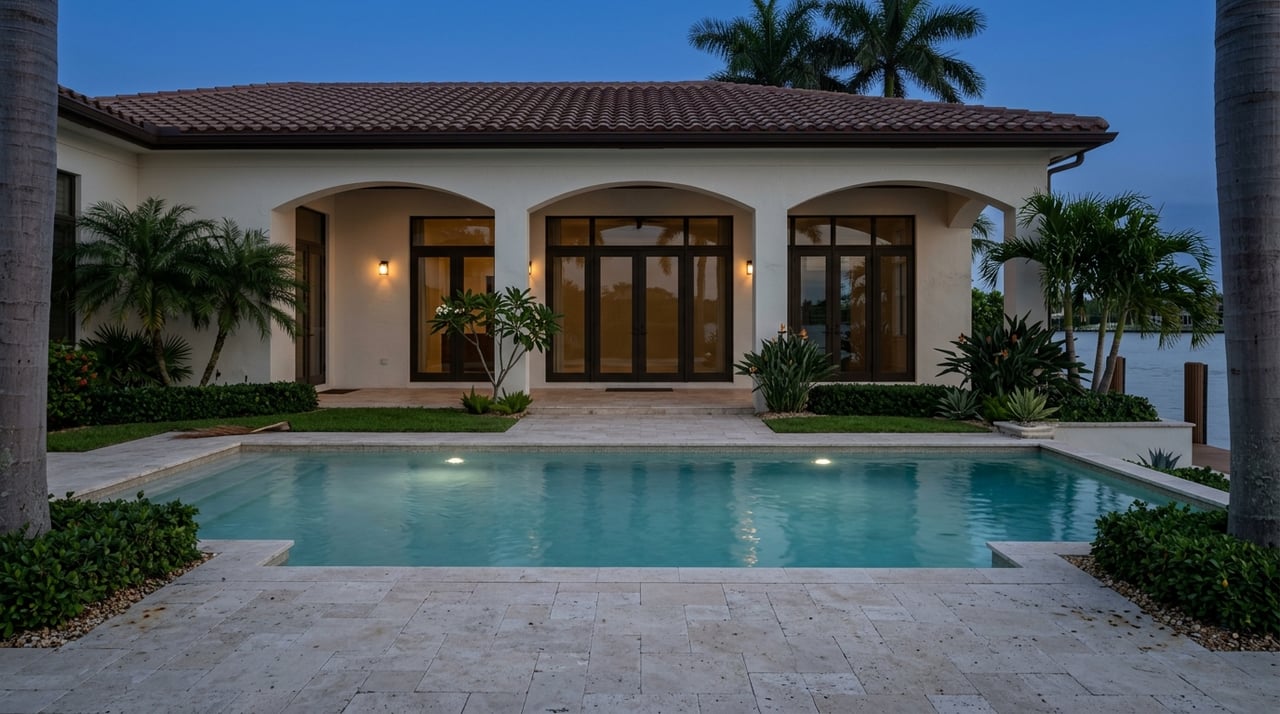
Lake Worth Seasonal Waterfront Rental Strategy
May 21, 2026
May 21, 2026
Wondering if your Lake Worth waterfront home could help offset carrying costs during the winter season? It can, but in Lake Worth Beach, the winning strategy is not a quick vacation-rental model. If you want to turn your property into a seasonal rental, you need the right lease structure, a polished turnkey setup, and careful attention to local rules. Let’s dive in.
If you own a waterfront home in Lake Worth Beach, the first thing to know is that this is not a nightly or weekly rental market under current city guidance. Lake Worth Beach says rentals of 60 days or less are not permitted, which means a true short-stay vacation approach is off the table.
That changes the opportunity in an important way. Instead of chasing frequent turnover, you are positioning your home as a premium furnished mid-term rental designed for longer seasonal stays.
For many owners, the most relevant demand window is tied to Wellington International’s Winter Equestrian Festival. The festival runs from January through March and spans 13 weeks, which makes winter the prime season for tenants who want to be in Palm Beach County for the circuit.
That seasonal pattern helps define your ideal renter. In many cases, the best fit will be riders, trainers, horse owners, visiting family members, and other seasonal residents looking for a furnished home base during the busiest equestrian months.
Wellington International says it attracts visitors from all 50 states and more than 34 countries. That broad reach means your renter pool may include both domestic and international tenants, so your property presentation and leasing process need to feel polished, clear, and easy to navigate.
A Lake Worth waterfront property can stand out for renters who want a refined winter stay with privacy, comfort, and room to host guests. In this niche, the goal is not simply to offer a place to sleep. It is to offer a home that feels move-in ready for an entire season.
The strongest candidates are often tenants who value convenience and predictability. They may be balancing competition schedules, family visits, remote work, or extended time in Palm Beach County, so they tend to respond well to homes that feel organized, quiet, and professionally prepared.
For a longer seasonal lease, the layout matters almost as much as the location. The most useful homes are flexible, easy to maintain, and designed to support daily life without friction.
Features that can improve seasonal-rental appeal include:
For a waterfront home, outdoor areas can be especially important. A clean, functional patio or covered seating area can help the property feel like a winter retreat while still remaining manageable between tenants.
Seasonal tenants usually want a home that feels complete from day one. In this market, that means aiming for luxury turnkey rather than decorating the property like a highly personal residence.
Neutral décor, durable upholstery, hotel-quality bedding, blackout shades, strong Wi-Fi, and a fully equipped kitchen are all practical priorities. These details often matter more than bold design choices because they make the stay easier, more comfortable, and more predictable.
A waterfront home should also be furnished with durability in mind. Easy-to-clean finishes and replaceable materials can protect long-term value, especially if you may eventually sell the property or return it to personal use.
Because Lake Worth Beach does not allow rentals of 60 days or less, your pricing should reflect a longer-stay structure. Think of the property as a premium furnished seasonal lease, not a high-turnover vacation rental.
The strongest rates will usually align with the January through March equestrian season. That said, your asking price should also account for the real operating costs of a furnished waterfront home.
A practical pricing structure may separate:
This kind of structure can make your pricing easier for tenants to understand while helping you avoid underestimating ownership costs.
In Palm Beach County, taxes are a major part of seasonal-rental planning. For leases of six months or less, the county imposes a 6% Tourist Development Tax, and the county says that tax applies to rental revenue, including mandatory fees such as cleaning and pet charges.
Florida also treats rentals or leases of accommodations for six months or less as transient rentals for state tax purposes. The Florida Department of Revenue says sales tax and discretionary surtax on transient rentals are reported and remitted separately from county taxes.
There is an important exception to know. Palm Beach County lists a stay supported by a bona fide written agreement for continuous residence longer than six months as exempt from the county tax. If you are considering a longer lease strategy, that distinction may affect how you structure the agreement.
Before you market the home, confirm that the property is properly licensed and that the intended use is allowed in the zoning area. Lake Worth Beach says all residential rentals need a city business license plus a Palm Beach County Business Tax Receipt.
The city states that its business license includes three parts:
The city also says the license year runs from October 1 through September 30. Timing matters, especially if you plan to launch marketing in late fall ahead of winter occupancy.
Licensing is only part of the picture. Lake Worth Beach says new tenants will not get electric, water, or sewer connected without a valid, active city business license on file.
The city also requires all rented properties to have a local area contact with a phone number and email address available 24/7. For many owners, that requirement alone makes professional local oversight especially valuable.
The city advises owners to contact Planning, Zoning & Historic Preservation before entering a lease agreement to confirm the use is allowed in the zoning area. That step is worth taking early so you are not building a marketing plan around an assumption.
A successful seasonal rental is not only about revenue. It also needs to operate in a way that fits a residential setting.
Lake Worth Beach emphasizes that noise limits apply and that pedestrian and vehicular traffic should not exceed what would be expected in a residential neighborhood. Its code compliance guidance also flags improperly stored boats and recreational vehicles, which can be especially relevant for waterfront properties.
That means your operating plan should include clear expectations from the start. Strong house rules, occupancy limits, parking instructions, and quick issue response are part of protecting both the property and the neighborhood setting.
Palm Beach County adds another layer of administration for qualifying rentals. The county requires a Tourist Development Tax account and a Short-Term Rental Local Business Tax Receipt for vacation rentals, along with annual renewal of the business tax receipt.
The county also requires monthly reporting, due on the first of each month, with late status after the 20th. In addition, the county says online listings must display the TDT account number and the short-term rental local business tax receipt number.
For owners, this means the rental process should be treated like a business operation, not a casual side arrangement.
Because the winter equestrian calendar drives much of the demand, your marketing timeline should reflect that reality. A late-fall listing launch can position the home for winter occupancy while still leaving time for spring maintenance after move-out.
Presentation matters. With Wellington International drawing a global audience, professional photography, accurate floor plans, and clear amenity descriptions can help your home compete for attention with more established seasonal inventory.
For a luxury waterfront property, clarity is often more persuasive than hype. Prospective tenants want to know how the home lives, how it is furnished, what services are included, and how seamless the stay will feel.
A well-qualified seasonal tenant can make the entire experience smoother. Screening should cover identity, income, references, intended occupancy, pets, and willingness to follow house rules.
It also helps to provide written arrival instructions, emergency contacts, and a maintenance calendar. Those steps can reduce confusion, limit disputes, and protect the long-term condition of the home.
The big takeaway is simple. In Lake Worth Beach, a waterfront home works best as a compliance-sensitive seasonal rental with a mid-term lease structure, not as a weekend getaway listing.
If you prepare the home as a turnkey winter base, price it with the January through March season in mind, and stay on top of city and county requirements, you can create a rental plan that supports both income goals and long-term asset value.
If you are weighing whether to rent, sell, or position your waterfront home for the equestrian season, Martha W. Jolicoeur PA offers discreet, high-touch guidance tailored to Palm Beach County’s luxury and seasonal markets.
Stay up to date on the latest real estate trends.


Whether working with buyers or sellers, Martha provides outstanding professionalism into making her client’s real estate dreams a reality. Contact her today for a free consultation for buying, selling, renting, or investing in Florida.
Get in Touch With Martha Team to Learn More

MARTHA W. JOLICOEUR PA
✉ EMAIL:
✆ TELEPHONE NUMBER:
⚲ ADDRESS: 13501 SOUTH SHORE BLVD STE 102 WELLINGTON FL 33414