Buying in Palm Beach Polo: Key Details to Know
July 9, 2026
July 9, 2026
If you are thinking about buying in Palm Beach Polo, you are not just choosing a home. You are choosing a gated, club-adjacent Wellington lifestyle shaped by golf, polo, show season, and day-to-day access rules. Before you make an offer, it helps to understand how the community is organized, what kinds of homes you may find, and which details can affect your daily routine. Let’s dive in.
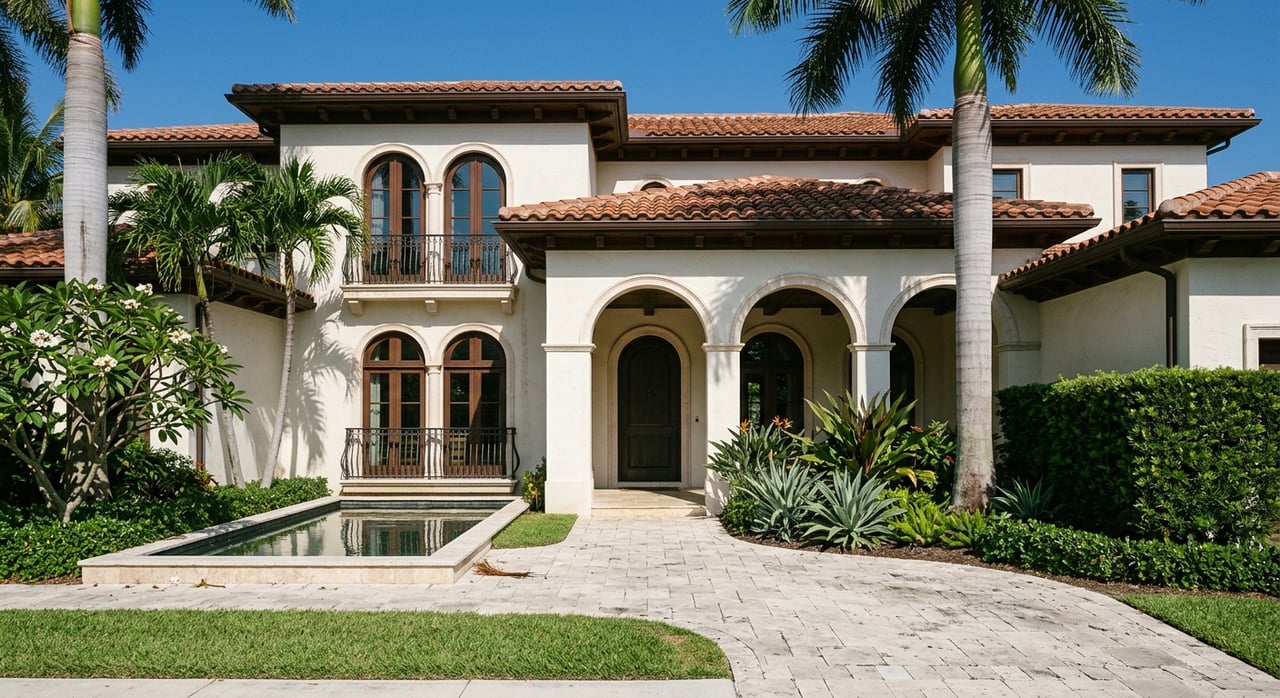
Palm Beach Polo & Country Club is built around an 18-hole Pete Dye and P.B. Dye golf course, Mediterranean-style residential neighborhoods, clubhouse amenities, and multiple polo fields. The setting has a long-standing identity as both a residential community and a sporting enclave in Wellington.
That matters because your experience here can feel different from a typical gated subdivision. This is an equestrian-adjacent, event-oriented community where field proximity, gate access, and the rhythm of Wellington’s winter season can shape everyday life.
Nearby venue context is a big part of that story. Wellington International hosts the Winter Equestrian Festival from January through March, and the USPA National Polo Center in Wellington adds another layer of polo activity and club life nearby.
One of the most important things to know before buying in Palm Beach Polo is that the community is not one-size-fits-all. Public POA materials describe a mix of single-family and multi-family residences, along with separate HOAs and condominium structures.
In practice, that means two homes inside Palm Beach Polo may come with very different rules, maintenance structures, and ownership considerations. You should look closely at the exact subsection rather than assuming the whole community operates the same way.
Recent POA communications also point to new single-family construction in Blue Cypress and on a parcel bordering Forest Hill Boulevard. So depending on where you search, you may find older homes, updated residences, or newer-build options within the same broader community.
Before you move forward, ask focused questions about the specific property:
These details can affect both your lifestyle and your long-term plans for the property.
Another key point is that Palm Beach Polo has a layered governance structure. The POA says it controls common areas such as roads, guardhouses, lakes, the dog park, and berms, and it also controls access into the community.
At the same time, the golf courses, clubhouse, tennis courts, and tennis house are separately owned and controlled by Palm Beach Polo, Inc. That separation matters because neighborhood governance and club amenities are not the same thing.
If you are buying with a club lifestyle in mind, do not assume that homeownership alone gives you access to every amenity. It is important to verify what belongs to the POA, what belongs to the club, and what applies to your exact property.
For many buyers, this is one of the biggest questions. The club’s public membership page says membership is application-based, and applicants must submit membership documents, obtain recommendations from two current members, and receive committee approval.
That means owning a home in Palm Beach Polo and becoming a club member are separate processes. If access to golf, dining, fitness, pool, croquet, or tennis is part of your decision, confirm the current membership path and availability directly with the club during your due diligence.
Publicly indexed brochure copies have shown historical membership tiers such as Executive, Social-Sport, and Reserve. Still, because those materials are dated, the most careful approach is to treat them as background only and verify the current membership menu and terms before you rely on them.
If you are planning to personalize a home after closing, Palm Beach Polo is a community where approvals deserve early attention. The ARC packet says owners must submit plans to both the designated HOA and the ARC, and posted construction rules require written HOA and POA approvals before exterior work begins.
This is especially important if you are buying an older home with plans for upgrades. What seems like a straightforward exterior project in another neighborhood may involve a more structured review process here.
The posted rules also indicate that construction and landscaping may be restricted by day and by season. If your goal is a fast cosmetic update before the heart of show season, that timing question should be part of your pre-purchase planning.
If you expect to remodel, ask:
The earlier you clarify these points, the easier it is to match the property with your timeline and expectations.
Palm Beach Polo has posted community rules that affect how you live inside the gates. These include a 30 mph speed limit, golf-cart rules, and restrictions involving vehicle types and parking.
For many buyers, golf-cart mobility is part of the appeal. But the community’s golf-cart materials state that carts must be registered and inspected, drivers need a valid license, and use is limited to permitted cart paths and hours.
That creates a lifestyle that can feel convenient and connected, but it is also clearly regulated. If you picture moving around the community by cart, make sure you understand those operational rules before closing.
Access control is not just a small detail here. The POA controls entry into the community, and a recent newsletter reported that nearly 1 million vehicles were processed in 2023 through three designated entry points.
That number helps explain why gate procedures are such a visible part of daily life. It also gives useful context for buyers who value privacy, managed access, and a more structured arrival experience.
At the same time, you should think practically about how close a home sits to gates, major internal roads, or active areas. In a community with meaningful traffic flow and seasonal activity, location within the gates can shape convenience and day-to-day feel.
Palm Beach Polo’s location near Wellington’s major equestrian venues is a real advantage for many buyers. Wellington International is open year-round, with the Winter Equestrian Festival concentrated from January through March.
That proximity can support easier access for riders, owners, and spectators. It can also mean more winter-season traffic, more trailer movement in the area, and a busier overall feel during peak months.
This does not make the community less desirable. It simply means you should buy with a clear understanding of the seasonal rhythm, especially if you plan to be in residence during the busiest part of Wellington’s equestrian calendar.
When comparing homes in Palm Beach Polo, ask:
These are practical questions, and they often matter just as much as square footage or finishes.
The strongest Palm Beach Polo purchase decisions usually come down to specificity. Rather than asking whether the community is a fit in general, it is more useful to ask whether a particular section, street, view, and governance structure match the way you plan to live.
For example, one buyer may prioritize club access and golf views. Another may care more about privacy, quieter positioning within the gates, or smoother access to Wellington’s equestrian venues. A third may focus on whether a home is renovation-ready or move-in ready.
That is why due diligence matters so much here. In a layered community with multiple home types, separate governance systems, and an active seasonal setting, the right questions can save you time and help you buy with confidence.
If you are considering Palm Beach Polo, a tailored search and property-by-property review can make all the difference. For discreet guidance on Wellington luxury homes and equestrian lifestyle real estate, connect with Martha W. Jolicoeur PA.
Stay up to date on the latest real estate trends.


Whether working with buyers or sellers, Martha provides outstanding professionalism into making her client’s real estate dreams a reality. Contact her today for a free consultation for buying, selling, renting, or investing in Florida.
Get in Touch With Martha Team to Learn More
MARTHA W. JOLICOEUR PA
✉ EMAIL:
✆ TELEPHONE NUMBER:
⚲ ADDRESS: 13501 SOUTH SHORE BLVD STE 102 WELLINGTON FL 33414